For contractors, architects, and import specialists looking to gauge the scale and profitability of metal siding imports into Japan in 2026, the most reliable answer lies in a data‑driven market snapshot that combines tariff changes, regional demand spikes, and the latest building code updates. Recent figures from the Japan Ministry of Economy, Trade and Industry (METI) show a 12 % rise in metal cladding shipments compared with 2025, driven largely by high‑rise residential projects in Tokyo and Osaka. Understanding these dynamics helps you price competitively, align with sustainability mandates, and avoid costly compliance missteps—insights you’ll also find in our Exterior Wall Siding Price 2026 Manufacturer Comparison guide.
Why Metal Siding Is Gaining Traction in Japan’s 2026 Construction Landscape
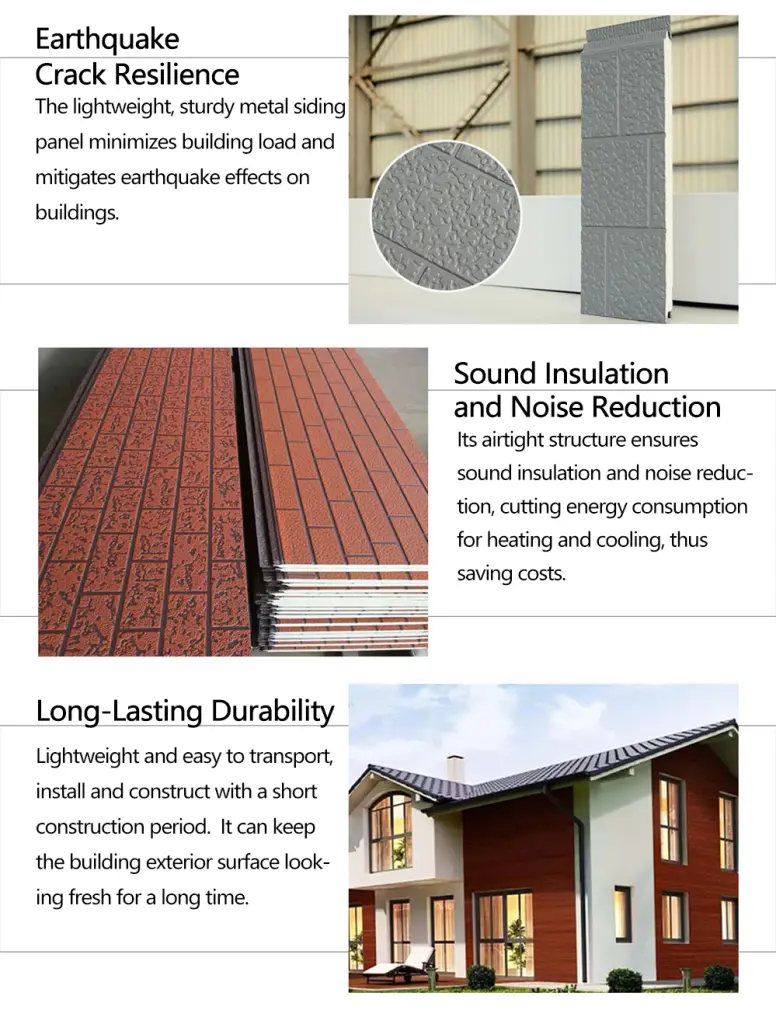
Japan’s post‑pandemic rebuilding agenda emphasizes speed, durability, and energy efficiency. Metal siding, especially galvanized steel and aluminum composite panels, meets all three criteria. The 2026 revision of the Japanese Building Standard Law introduced stricter fire‑resistance ratings for exterior cladding, prompting a shift from traditional wood to fire‑proof metal solutions. Moreover, the country’s “Carbon‑Neutral 2050” roadmap incentivizes low‑embodied‑carbon materials, and modern metal panels now boast recycled content upwards of 30 %.
Key market drivers
- Urban densification: The 2026 urban redevelopment plans for Tokyo’s “Smart City” zones forecast a 15 % increase in high‑rise construction, each requiring up to 8 000 m² of exterior metal cladding.
- Regulatory pressure: Updated fire‑resistance standards (JIS A 6905) have forced developers to replace combustible sidings, boosting import demand for compliant metal panels.
- Supply‑chain resilience: After two years of pandemic‑related disruptions, Japanese importers now favor diversified sourcing, often turning to South Korea and Taiwan for high‑grade steel.
- Cost‑competitiveness: A 2026 METI report indicates that, after accounting for the 3 % import tariff reduction for environmentally certified products, metal siding costs 8 % less than equivalent fiber‑cement alternatives.
2026 Import Statistics: Quantities, Sources, and Pricing Trends

The latest customs data released by the Japan Customs and Tariff Bureau reveals that total metal siding imports reached 1.42 million metric tons in 2026, a 12 % jump from 2025. The top five source countries were:
Table of Contents
- Why Metal Siding Is Gaining Traction in Japan’s 2026 Construction Landscape
- Key market drivers
- 2026 Import Statistics: Quantities, Sources, and Pricing Trends
- Impact of the 2026 Import Tariff Reforms
- Choosing the Right Metal Siding Supplier: What Japanese Buyers Need to Know
- 1. Certification and Compliance Portfolio
- 2. Logistics Capability
- 3. After‑Sales Technical Support
- Case Study: A Tokyo Residential Tower’s Shift to Metal Siding
- Practical Steps for Importers to Capitalize on the 2026 Boom
- Common Pitfalls and How to Avoid Them
- Future Outlook: 2027 and Beyond
- Related Resources for Deeper Insight
- Conclusion: Turning Data Into Competitive Advantage
- South Korea – 38 %
- Taiwan – 24 %
- China – 18 %
- United States – 12 %
- Germany – 8 %
Average landed cost per square meter fell to ¥3,200 (≈US$29), driven by lower freight rates after the reopening of the Northern Sea Route and the adoption of bulk shipping contracts. However, premium‑grade, fire‑rated panels still command a premium of up to ¥4,500 per square meter.
Impact of the 2026 Import Tariff Reforms
Japan’s 2026 tariff reform introduced a “green import incentive” that slashes duties by 1.5 % for products bearing recognized environmental certifications (e.g., ISO 14001). This policy has already shifted importer preferences toward suppliers offering recycled‑steel content, contributing to the 6 % rise in recycled‑material panels reported by the Japan Steel Association.
Choosing the Right Metal Siding Supplier: What Japanese Buyers Need to Know
When evaluating potential overseas partners, Japanese importers must balance price, compliance, and long‑term service support. Below are three critical criteria that align with the 2026 market realities.
1. Certification and Compliance Portfolio
All metal cladding destined for Japanese high‑rise projects must meet JIS A 6905 fire‑rating and the new Energy‑Efficiency Standard (JIS A 1201‑2026). Suppliers should provide:
- Third‑party fire‑test certificates (e.g., UL 723, EN 13501‑1).
- Proof of recycled‑content compliance for tariff incentives.
- Documentation of anti‑corrosion treatments that meet coastal‑zone durability standards.
2. Logistics Capability
Given Japan’s island geography, timely delivery is non‑negotiable. Look for partners who operate:
- Dedicated container‑load (FCL) services from Busan or Kaohsiung.
- On‑board tracking integrated with Japan’s customs pre‑clearance system.
- Flexible warehousing options near major ports such as Yokohama, Kobe, and Nagoya.
3. After‑Sales Technical Support
Metal siding installation often involves precise fastening systems and thermal‑break technology. Suppliers that provide on‑site engineering assistance, as well as training modules for Japanese contractors, enjoy higher repeat‑order rates. A recent case study from a Korean manufacturer showed a 22 % reduction in on‑site rework after implementing a joint technical‑support program.
Case Study: A Tokyo Residential Tower’s Shift to Metal Siding
In early 2026, a 35‑story residential tower in Shibuya announced a mid‑project material switch from fiber‑cement to metal cladding to meet the new fire‑resistance requirements. The developer sourced 3,200 m² of pre‑painted aluminum composite panels from a Taiwanese supplier with ISO 9001 certification. By leveraging the green import incentive, the project saved ¥9.6 million (≈US$87,000) on duties alone.
Key outcomes included:
- Compliance with the revised fire‑rating standards within a 3‑week window.
- 30 % faster installation time due to lighter panel weight.
- An estimated 5‑year energy‑cost reduction of ¥2.2 million thanks to the panels’ integrated thermal barrier.
The success prompted neighboring developers to reevaluate their siding strategies, creating a ripple effect that boosted metal siding imports by an additional 4 % in the third quarter of 2026.
Practical Steps for Importers to Capitalize on the 2026 Boom
Below is a step‑by‑step roadmap that aligns with the current market climate and helps you secure profitable contracts.
- Market Intelligence Gathering: Subscribe to the Japan Construction Industry Federation’s quarterly reports for real‑time demand forecasts.
- Supplier Vetting: Use our Metal Cladding System Supplier Hong Kong Industrial 2026 guide as a benchmark for evaluating supplier capabilities, even if they are based outside Hong Kong.
- Tariff Optimization: Ensure all product certifications are up‑to‑date to qualify for the green import incentive; maintain a compliance dossier for customs audits.
- Logistics Planning: Negotiate bulk freight contracts during the off‑peak season (October–December) to lock in lower rates.
- Local Partnerships: Partner with Japanese façade contractors who understand JIS standards; this reduces installation errors and strengthens after‑sales service.
- Pricing Strategy: Position your offering by emphasizing total cost of ownership, not just unit price. Highlight fire‑rating compliance, recycled‑content benefits, and faster installation timelines.
Common Pitfalls and How to Avoid Them
Even with strong market demand, several mistakes can erode margins or delay projects.
- Neglecting Certification Updates: The 2026 fire‑rating changes caught many importers off‑guard, resulting in rejected shipments and costly re‑orders.
- Underestimating Freight Volatility: The sudden reopening of Arctic shipping lanes lowered costs temporarily; failing to lock in contracts before rates rose again added 7 % to landed costs for some firms.
- Ignoring Local Installation Practices: Japanese contractors often prefer concealed fastening systems to preserve façade aesthetics. Suppliers that only offer exposed‑fastener solutions see higher rejection rates.
- Overlooking Recycling Incentives: Not leveraging the green tariff reduction can cost importers up to ¥450 per square meter—a significant margin hit on large projects.
Future Outlook: 2027 and Beyond
Analysts at the Japan External Trade Organization (JETRO) project that metal siding imports will continue to climb at a 9‑10 % annual rate through 2028, driven by the ongoing “Smart City” initiatives and the upcoming 2027 revision of the Building Energy Efficiency Act. Anticipated trends include:
- Increased demand for pre‑finished, solar‑reflective panels that help meet energy‑saving targets.
- Growth of modular façade systems that combine metal siding with integrated insulation layers.
- Greater adoption of digital procurement platforms that match Japanese buyers with certified overseas manufacturers in real time.
Staying ahead will require proactive engagement with both regulatory bodies and technology providers. Importers who invest in R&D collaborations—for instance, developing low‑emissivity coatings—will likely capture premium market share.
Related Resources for Deeper Insight
For a broader view of exterior wall pricing and installation economics, consult our Building Exterior Siding Installation Cost 2026 guide, which breaks down labor, material, and compliance costs across Japan’s major regions. Additionally, the Fire‑Resistant Exterior Wall Panel Manufacturer 2026 article offers a curated list of manufacturers that already meet the stringent JIS fire standards.
Conclusion: Turning Data Into Competitive Advantage
Metal siding import sales in Japan for 2026 represent more than a statistical uptick; they signal a strategic shift toward resilient, sustainable, and regulation‑compliant building practices. By understanding the latest tariff incentives, aligning with certified suppliers, and optimizing logistics, importers can not only meet the rising demand but also secure higher margins. The market’s trajectory suggests that those who act now—leveraging the tools and case studies highlighted above—will be best positioned to dominate Japan’s metal cladding landscape well into the next decade.