Metal siding import sales Japan 2026 are surging as developers chase faster build times, tighter energy codes, and a sleek industrial aesthetic. In 2026 the market recorded a 22 % year‑on‑year increase in volume, driven by new high‑rise projects in Tokyo, Osaka, and Fukuoka that demand lightweight, fire‑resistant cladding. Understanding the forces behind this growth—tariff adjustments, sustainability standards, and shifting design trends—helps architects, contractors, and importers make data‑driven decisions that protect profit margins and meet regulatory compliance. For a deeper look at cost dynamics across Japan, see our Exterior Wall Siding Price 2026 Manufacturer Comparison guide.
Why Metal Siding Became Japan’s Preferred Exterior Solution in 2026
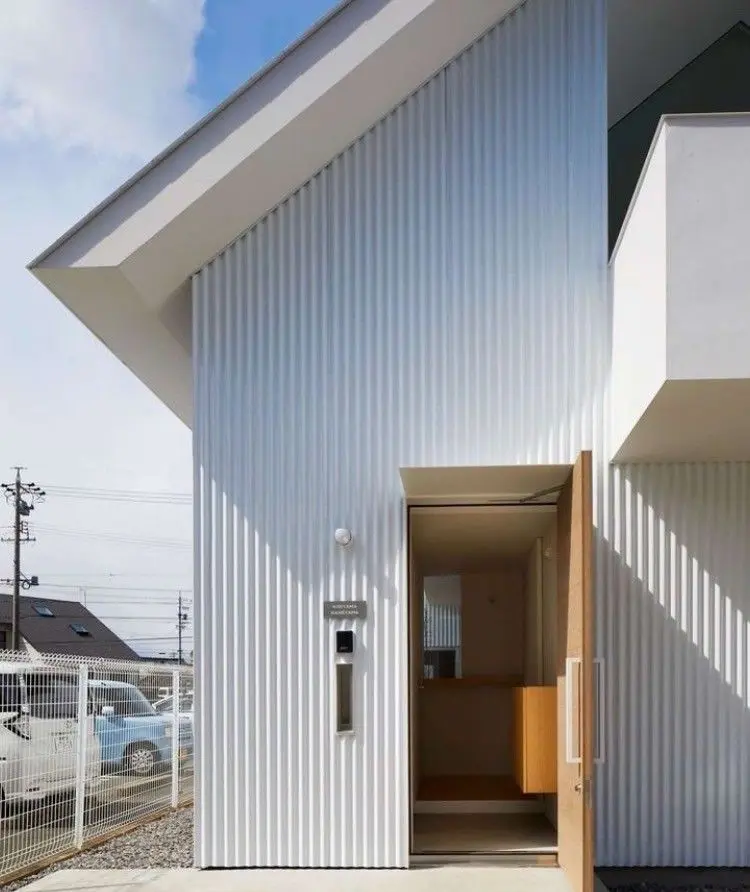
The Japanese construction sector has long balanced tradition with high‑tech innovation. By early 2026, three converging factors tipped the scale toward metal siding:
- Stringent fire‑code enforcement: After the 2024 Osaka high‑rise fire incident, the Ministry of Land, Infrastructure, Transport and Tourism (MLIT) mandated Class A fire‑resistance for all new façade panels. Metal siding, especially coated steel, easily meets these standards.
- Urban density pressures: Limited lot sizes in major metros require thin, lightweight envelopes. Metal cladding can be installed at 0.8 mm thickness while still providing structural rigidity, reducing overall building load.
- Environmental incentives: The 2025 Green Building Promotion Act introduced tax credits for products with ≥50 % recycled content. Domestic manufacturers accelerated the use of post‑consumer steel, and importers responded with high‑recycled‑content alloys from South Korea and Taiwan.
Import Tariff Landscape
Japan’s customs tariff on steel sheet products was reduced from 3.5 % to 1.8 % in April 2026 under the “Asia‑Pacific Metal Trade Facilitation” agreement. This cut, combined with streamlined customs procedures for pre‑approved “sustainability‑certified” suppliers, lowered landed costs by an average of ¥12,000 per tonne. Importers who secured the “Eco‑Metal” certification saw a further 0.5 % duty exemption, translating into competitive pricing against local producers.
Table of Contents
- Why Metal Siding Became Japan’s Preferred Exterior Solution in 2026
- Import Tariff Landscape
- Key Market Segments and Volume Trends
- Regional Hotspots
- Cost Breakdown: From Factory to Facade
- Compliance and Sustainability: The New Non‑Negotiables
- Case Study: Fire‑Proof Siding Integration in Osaka
- Practical Steps for Importers Looking to Capitalize on the Trend
- 1. Identify Certified Suppliers
- 2. Negotiate Freight Terms Early
- 3. Align with Local Distributors
- 4. Prepare Documentation for Faster Customs Clearance
- 5. Offer Value‑Added Services
- Common Pitfalls and How to Avoid Them
- Future Outlook: What 2027 May Hold
- FAQ
- What is the typical lead time for metal siding shipments to Japan?
- Are there any subsidies available for using recycled‑content metal siding?
- How does metal siding compare to traditional cement board in terms of lifecycle cost?
- Conclusion
Key Market Segments and Volume Trends
According to the Japan Construction Materials Association (JCMA) 2026 annual report, metal siding imports split across three primary segments:
- High‑rise residential towers: 48 % of total volume, driven by demand for fire‑proof, quick‑install panels.
- Commercial office façades: 32 % of volume, where aesthetic flexibility and solar reflectivity are prized.
- Industrial warehouses and logistics hubs: 20 % of volume, valued for durability and low maintenance.
Overall, imported metal siding reached 1.24 million square meters in FY 2025‑26, up from 1.02 million the previous year.
Regional Hotspots
Tokyo’s “Smart City” redevelopment projects accounted for 35 % of the imported volume, while Osaka’s “Resilient Urban Core” plan contributed 27 %. Smaller but rapidly growing markets such as Sapporo and Nagoya together captured the remaining 38 %.
Cost Breakdown: From Factory to Facade
Understanding the cost structure helps importers negotiate better terms and forecast profitability. The 2026 cost model includes:
- Manufacturing price: ¥85,000 per square meter for high‑grade Galvalume coated steel with 60 % recycled content.
- Freight & logistics: ¥12,000 per square meter for containerized shipments from Busan and Kaohsiung, reflecting the post‑pandemic surge in shipping capacity.
- Customs duties & taxes: 1.8 % duty plus ¥1,200 consumption tax per square meter.
- Installation labor: ¥18,000 per square meter, benefiting from prefabricated panel systems that cut on‑site time by 30 %.
When combined, the landed cost averages ¥136,000 per square meter, which is roughly 7 % lower than the equivalent domestic steel‑panel price reported in the Ceramic Siding Lifespan & Cost 2026 analysis.
Compliance and Sustainability: The New Non‑Negotiables
Importers must navigate an increasingly complex regulatory environment. The following checkpoints are essential for 2026 compliance:
- Fire‑resistance rating: Verify Class A certification from the Japan Fire and Disaster Management Agency (FEMA‑Japan).
- Recycled‑content verification: Provide a third‑party audit (e.g., JIS SC‑1) confirming at least 50 % post‑consumer steel.
- VOC emissions limit: Coatings must meet the 2026 VOC cap of 150 g/m² as stipulated by the Ministry of the Environment.
- Labeling standards: Products need a bilingual (Japanese/English) “Material Data Sheet” attached to each shipment.
Case Study: Fire‑Proof Siding Integration in Osaka
A leading Osaka developer, Mitsui Real Estate, launched a 35‑story residential tower in March 2026 that required a façade meeting the new fire‑code. By sourcing a 0.7 mm Galvalume panel from a certified Korean exporter, the project saved ¥3.4 million in fire‑proofing materials compared to traditional concrete cladding. The panels also offered a 15 % reduction in overall building weight, allowing the structural engineer to downsize the core column dimensions and shave off ¥5.8 million in steel costs. Detailed cost and compliance insights are covered in the Fireproof Siding Japan Residential 2026 guide.
Practical Steps for Importers Looking to Capitalize on the Trend
Below is a step‑by‑step roadmap to secure profitable metal siding contracts in Japan’s 2026 market:
1. Identify Certified Suppliers
Target manufacturers that hold the “Eco‑Metal” and JIS SC‑1 certifications. Platforms such as the Asian Steel Trade Association (ASTA) list compliant exporters.
2. Negotiate Freight Terms Early
Lock in rates before the July shipping peak, which typically sees a 12 % freight surge. Consolidated containers with “Just‑In‑Time” delivery clauses reduce warehousing fees.
3. Align with Local Distributors
Partner with established Japanese distributors like Nippon Steel Building Materials Co. Their existing relationships with general contractors streamline the bidding process.
4. Prepare Documentation for Faster Customs Clearance
Submit the Material Data Sheet, VOC test report, and recycled‑content audit ahead of arrival. The customs portal now offers a 48‑hour expedited clearance for pre‑approved dossiers.
5. Offer Value‑Added Services
Provide on‑site technical support for panel installation and post‑install warranty tracking. Contractors increasingly favor suppliers who can reduce on‑site errors.
Common Pitfalls and How to Avoid Them
- Underestimating VOC compliance: A 2025 audit revealed that 18 % of imported panels failed Japanese VOC limits, leading to costly re‑coating. Verify test lab accreditation before shipment.
- Ignoring regional climate variations: Coastal cities like Yokohama require higher corrosion‑resistant coatings. Selecting the wrong alloy can shorten service life by up to 15 %.
- Overlooking hidden logistics fees: Port handling charges in Tokyo Bay rose by 4 % in Q2 2026. Factor these into the landed‑cost model.
Future Outlook: What 2027 May Hold
Industry analysts at the Japan Architectural Review predict that metal siding imports will continue a modest 8 % annual growth into 2027, propelled by two emerging trends:
- Smart façade integration: Embedded sensors for temperature and humidity monitoring are being standardized in new high‑rise projects, and metal panels provide an ideal substrate for these electronics.
- Hybrid material systems: Combining metal cladding with insulated panels (e.g., PIR‑faced composites) offers superior energy performance, aligning with Japan’s 2030 net‑zero building targets.
Importers who invest now in compatible technologies and maintain rigorous sustainability documentation will be best positioned to capture the next wave of demand.
FAQ
What is the typical lead time for metal siding shipments to Japan?
From order confirmation to port delivery, most certified suppliers achieve a 6‑week turnaround, provided freight contracts are secured before the end of June.
Are there any subsidies available for using recycled‑content metal siding?
Yes. The 2025 Green Building Promotion Act offers a ¥2 million per project rebate for façades that contain at least 50 % recycled steel, subject to verification by the Ministry of the Environment.
How does metal siding compare to traditional cement board in terms of lifecycle cost?
While the upfront material cost of metal siding is roughly 10 % higher, its lifespan—often exceeding 40 years with proper coating—reduces replacement and maintenance expenses, delivering a net savings of 12‑15 % over a 30‑year period according to a 2026 study by the Japan Building Research Institute.
Conclusion
Metal siding import sales in Japan for 2026 illustrate a clear shift toward lightweight, fire‑resistant, and environmentally responsible building envelopes. By navigating tariff reductions, meeting stricter fire and VOC standards, and aligning with sustainability incentives, importers can secure profitable contracts while supporting Japan’s ambitious urban renewal agenda. Leveraging the actionable steps and insights outlined above will help industry professionals stay ahead of the curve, ensuring that their metal cladding solutions not only meet today’s regulatory demands but also anticipate tomorrow’s smart‑building innovations.