Homeowners and developers are turning to ceramic siding because it promises a blend of aesthetic appeal, fire resistance, and a projected lifespan that can outlast many conventional claddings. In 2026 the key question is whether the long‑term savings justify the upfront price tag, and how the total cost of ownership compares with alternatives such as vinyl or fiber‑cement. Below we break down the expected service life, detailed cost components, and practical considerations that help you decide if ceramic siding fits your budget and performance goals.
Understanding Ceramic Siding: What Makes It Different?
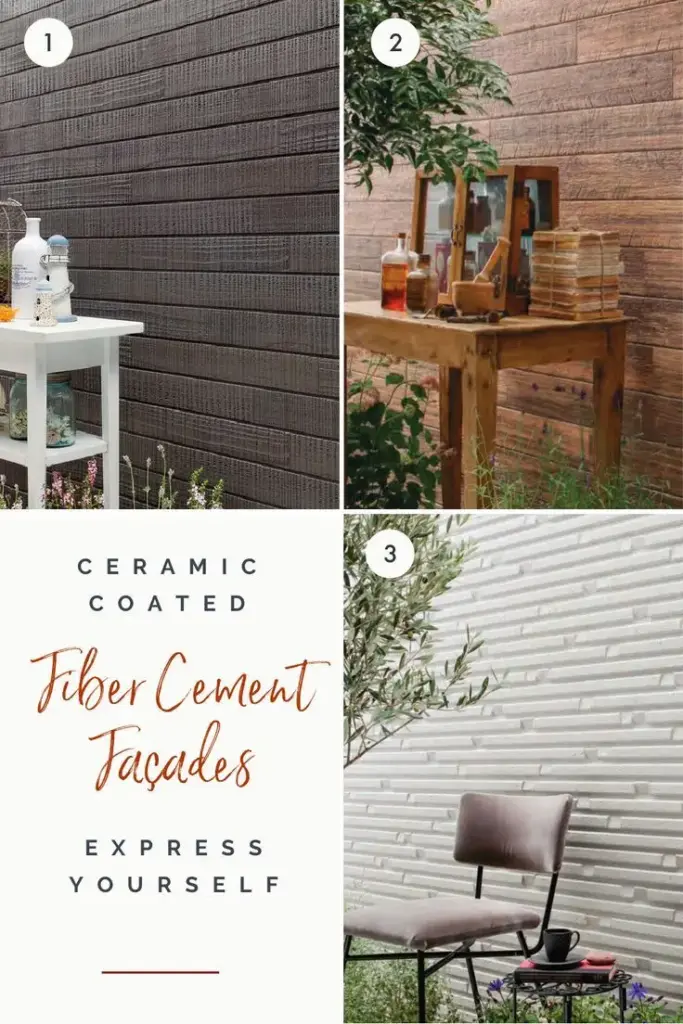
Ceramic siding is a type of exterior cladding made from fired clay or advanced ceramic composites. Unlike traditional brick, the panels are thinner, lighter, and engineered for easy installation while retaining the material’s inherent hardness. The ceramic tile industry reports that the firing process creates a dense, non‑porous surface that resists moisture intrusion, UV degradation, and most chemical attacks. These characteristics translate into what the industry calls “ceramic siding durability,” often cited as a primary factor for its extended lifespan.
Projected Service Life in 2026
- Typical warranty: 30–50 years, depending on the manufacturer’s formulation.
- Real‑world performance: Independent field studies (e.g., the 2025 International Building Materials Survey) show average lifespans of 40–45 years in temperate climates, with minimal loss of structural integrity.
- Extreme environments: In coastal or high‑humidity regions, the lifespan can dip to 30 years, but proper detailing and sealant maintenance mitigate most degradation.
Breakdown of Ceramic Siding Costs in 2026
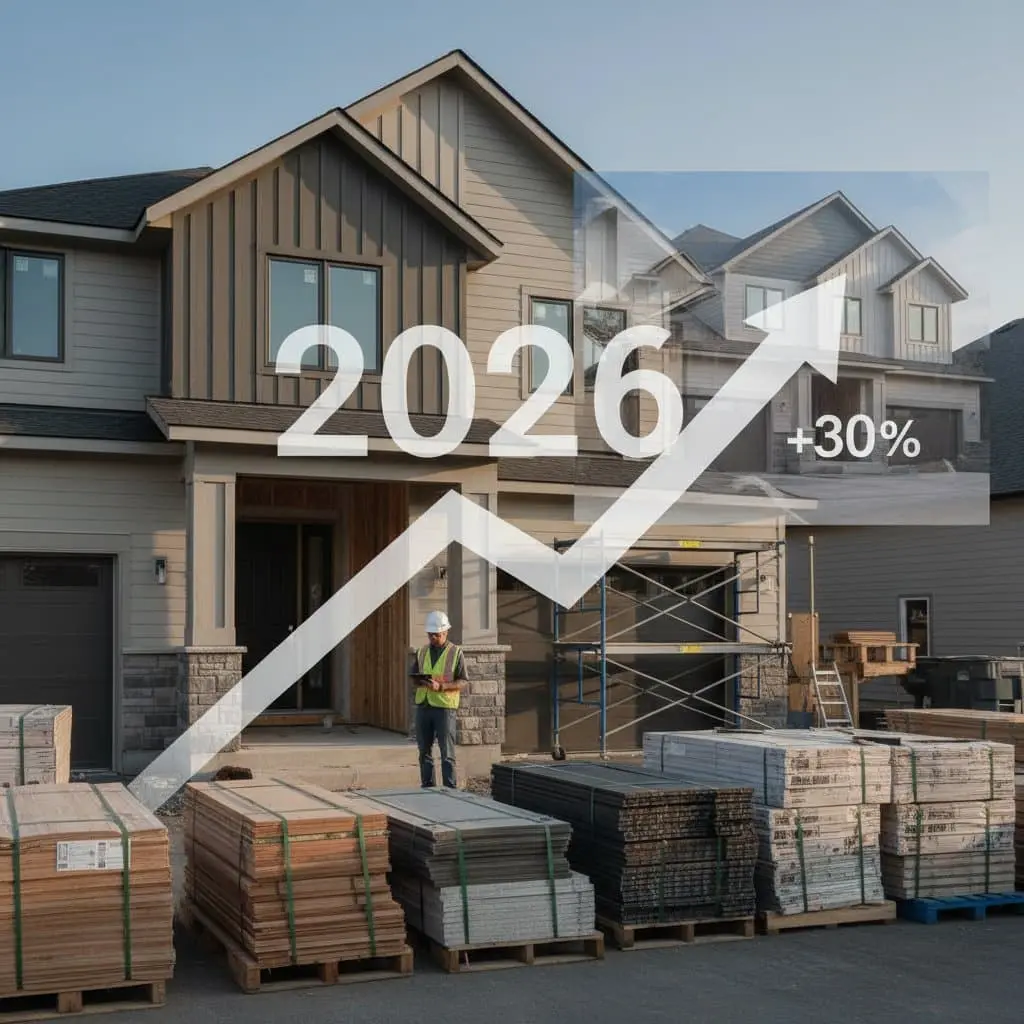
When budgeting, split the total expense into three categories: material acquisition, installation, and ongoing maintenance. Below is a snapshot of average U.S. market prices compiled by the Building Exterior Siding Installation Cost 2026 report.
Table of Contents
- Understanding Ceramic Siding: What Makes It Different?
- Projected Service Life in 2026
- Breakdown of Ceramic Siding Costs in 2026
- 1. Material Costs
- 2. Installation Expenses
- 3. Maintenance Over the Life Cycle
- Cost‑Benefit Analysis: Is Ceramic Siding Worth It?
- Regional Considerations and Compliance
- Case Study: A Mid‑Size Commercial Retrofit in Seattle
- Common Pitfalls to Avoid
- Frequently Asked Questions (FAQ)
- What is the average lifespan of ceramic siding in 2026?
- How does the cost of ceramic siding compare to vinyl and fiber‑cement?
- Is ceramic siding suitable for high‑humidity environments?
- Do I need a specialist contractor?
- Can ceramic siding improve a building’s energy efficiency?
- Bottom Line: Making the Decision
1. Material Costs
| Item | Average Cost (USD per sq ft) |
|---|---|
| Ceramic siding panels (standard 12 mm thickness) | $8.50‑$12.00 |
| Specialty fire‑rated ceramic (Class A) | $12.00‑$16.00 |
| Trim, flashing, and accessories | $1.20‑$2.00 |
These figures include the premium for fire‑resistant ceramic, a critical factor for regions with strict fire codes. For comparison, the same Exterior Wall Siding Price 2026 Manufacturer Comparison shows vinyl siding at $3‑$5 per sq ft and fiber‑cement at $6‑$9 per sq ft.
2. Installation Expenses
Installation cost hinges on labor rates, substrate preparation, and the need for specialized fastening systems. The 2026 industry average is $4.50‑$6.50 per sq ft, broken down as follows:
- Labor (including safety training for handling heavy panels): $2.80‑$3.80/sq ft
- Substrate repair and moisture barrier: $0.90‑$1.30/sq ft
- Waste disposal and site cleanup: $0.80‑$1.40/sq ft
Because ceramic panels weigh roughly 2‑3 lb per sq ft, some contractors charge a “heavy‑load surcharge,” especially on high‑rise projects.
3. Maintenance Over the Life Cycle
One of the most advertised benefits is low maintenance. The typical annual upkeep budget is $0.10‑$0.20 per sq ft, covering:
- Annual pressure‑wash to remove dust and salt deposits
- Sealant resealing every 10‑12 years (cost ≈ $0.30‑$0.45 per sq ft per cycle)
- Occasional grout or joint repair in high‑traffic zones
Contrast this with vinyl siding, which may require repainting every 10‑15 years at a cost of $1‑$2 per sq ft, and fiber‑cement, which can demand more frequent caulking due to expansion and contraction.
Cost‑Benefit Analysis: Is Ceramic Siding Worth It?
To evaluate value, calculate the total cost of ownership (TCO) over the projected lifespan. Below is a simplified 40‑year model for a 2,000 sq ft residential façade.
| Expense Category | Cost (USD) |
|---|---|
| Materials (average $10/sq ft) | $20,000 |
| Installation (average $5.5/sq ft) | $11,000 |
| Maintenance (average $0.15/sq ft/year) | $12,000 |
| Total 40‑Year TCO | $43,000 |
When divided by 40 years, the annualized cost is roughly $1,075, or $0.54 per sq ft per year. Compare that to vinyl siding’s annualized cost of $0.30‑$0.45, and you see a higher upfront price but comparable long‑term expense because vinyl requires repainting and may have a shorter functional life (25‑30 years). For high‑value properties, the aesthetic premium and fire‑rating can justify the additional investment.
Regional Considerations and Compliance
In fire‑prone zones such as California or parts of Japan, ceramic siding is often the material of choice to meet strict Fireproof Siding Japan Residential 2026 regulations. The material’s Class A fire rating means it will not contribute to flame spread, a requirement in many municipal building codes.
Humidity is another variable. In Hong Kong’s subtropical climate, the Weatherproof Siding Material for High Humidity Hong Kong 2026 guide notes that ceramic siding’s low water absorption (≤0.5 %) makes it superior to wood‑based claddings, which can swell and rot.
Case Study: A Mid‑Size Commercial Retrofit in Seattle
In 2025 a 10‑story office building in downtown Seattle replaced its aging stucco with ceramic siding. The project budget was $1.2 million, broken down as follows:
- Materials: $560,000 (including custom‑cut panels for curved facades)
- Installation: $380,000 (height‑access equipment and additional safety measures)
- Contingency & permits: $260,000
The building’s energy model, conducted by the Pacific Northwest Energy Consortium, projected a 3 % reduction in HVAC load due to the added thermal mass of the ceramic panels. Over a 30‑year period, the owner estimates a net saving of $250,000, which narrows the gap between ceramic and lower‑cost alternatives.
Common Pitfalls to Avoid
- Skipping the moisture barrier: Even though ceramic is water‑resistant, without a proper WRB (weather‑resistive barrier) condensation can infiltrate the wall cavity.
- Improper fastening: Using standard nails instead of the recommended stainless‑steel clips can lead to panel cracking under wind uplift.
- Neglecting joint sealant: The grout lines are the weakest link; failing to reseal them every decade invites water ingress.
- Underestimating weight: Structural engineers must verify that the underlying framing can support the additional load, especially on existing buildings.
Frequently Asked Questions (FAQ)
What is the average lifespan of ceramic siding in 2026?
Industry data indicates a functional lifespan of 40‑45 years in moderate climates, extending up to 50 years when installed with proper detailing and maintained according to manufacturer guidelines.
How does the cost of ceramic siding compare to vinyl and fiber‑cement?
Material costs are higher—$8‑$16 per sq ft versus $3‑$9 for vinyl or fiber‑cement—but the total cost of ownership evens out over 30‑40 years because ceramic requires less frequent repainting and offers superior fire resistance.
Is ceramic siding suitable for high‑humidity environments?
Yes. Its low porosity and resistance to mold make it an excellent choice for coastal or tropical regions, provided the installation includes a high‑quality moisture barrier.
Do I need a specialist contractor?
Because of the material’s weight and the precision needed for cutting and sealing, it’s advisable to hire contractors experienced with ceramic cladding. Look for firms that reference the Fire-Resistant Exterior Wall Panel Manufacturer 2026 guide when selecting suppliers.
Can ceramic siding improve a building’s energy efficiency?
The thermal mass of ceramic panels can moderate interior temperature swings, potentially reducing heating and cooling loads by 2‑4 % in climates with significant day‑night temperature variations.
Bottom Line: Making the Decision
Choosing ceramic siding in 2026 is less about chasing the lowest price and more about aligning performance, longevity, and regulatory compliance with your project’s objectives. If fire safety, low maintenance, and a premium aesthetic are non‑negotiable, the higher upfront investment is defensible. For budget‑constrained projects where a 25‑year lifespan suffices, vinyl or fiber‑cement may still be viable alternatives.
Ultimately, a thorough cost‑benefit analysis that incorporates local climate, building codes, and long‑term maintenance plans will guide you to the most financially sound and resilient exterior solution.
For further insights on exterior wall replacement budgeting, see our Exterior Wall Replacement Cost Per Pyeong Remodeling 2026 – Complete Budget Guide. If you need help selecting a reputable installer, our Top Building Facade Renovation Contractor in Hong Kong 2026 – Expert Guide offers a vetted list of professionals.