Finding a reliable building façade renovation contractor in Hong Kong for 2026 means prioritising compliance with the latest HK building codes, sustainable material choices, and proven project delivery—because a modern skyline demands both aesthetic excellence and long‑term performance. By targeting firms that specialise in façade restoration services, you can secure a seamless upgrade that meets fire‑safety regulations, energy‑efficiency targets, and the city’s tight construction timelines. For a quick cost benchmark, see the Aluminum Cladding Exterior Wall Hong Kong Price 2026 – Complete Cost Guide & Buying Tips, which outlines current market rates for popular cladding systems.
Why Facade Renovation Is Critical in 2026
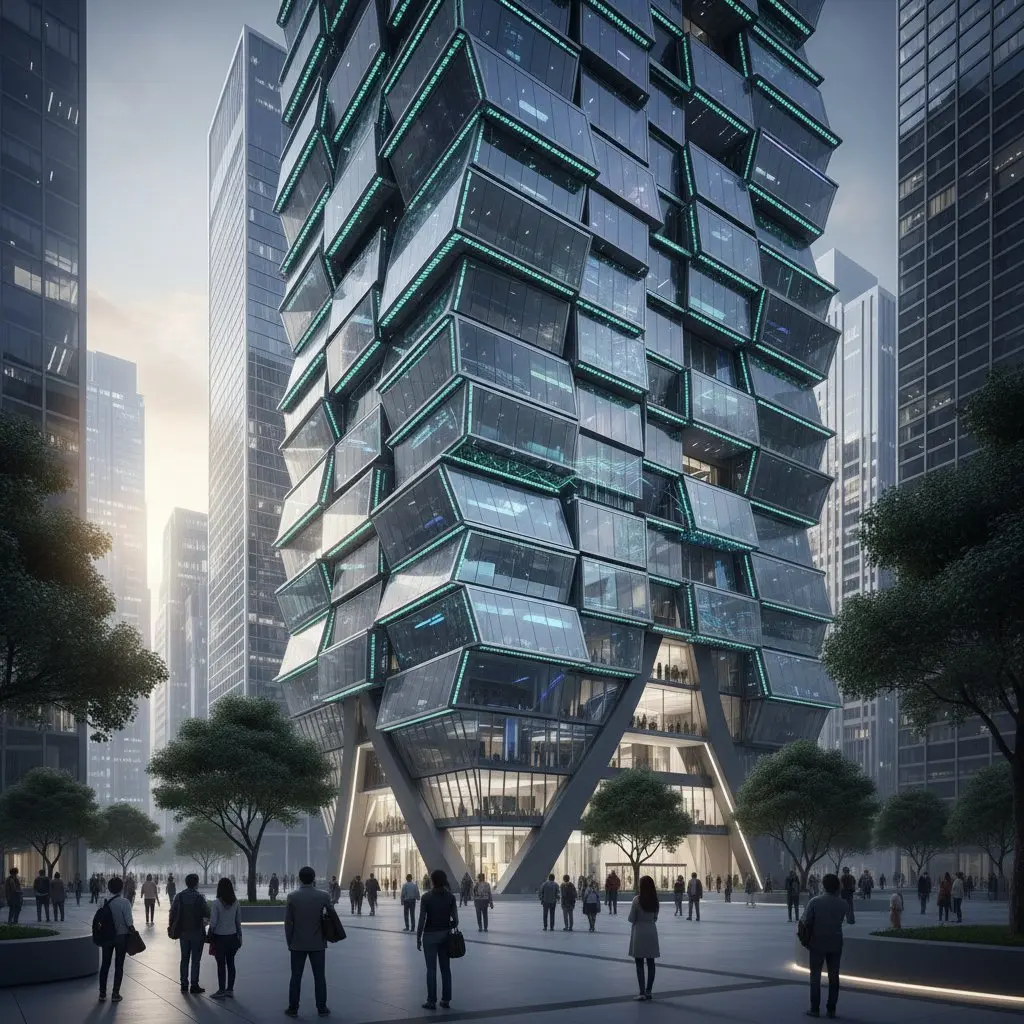
Hong Kong’s tropical climate, high-rise density, and recent updates to the Buildings Ordinance (effective 2025) have heightened the importance of maintaining an exterior building envelope that resists moisture ingress, thermal stress, and wind loads. According to the Hong Kong Housing Authority’s 2025 performance report, façade-related retrofits accounted for 18% of all building renovation permits issued in the previous year, reflecting a city‑wide push toward resilient infrastructure.
Key Selection Criteria for a Facade Contractor
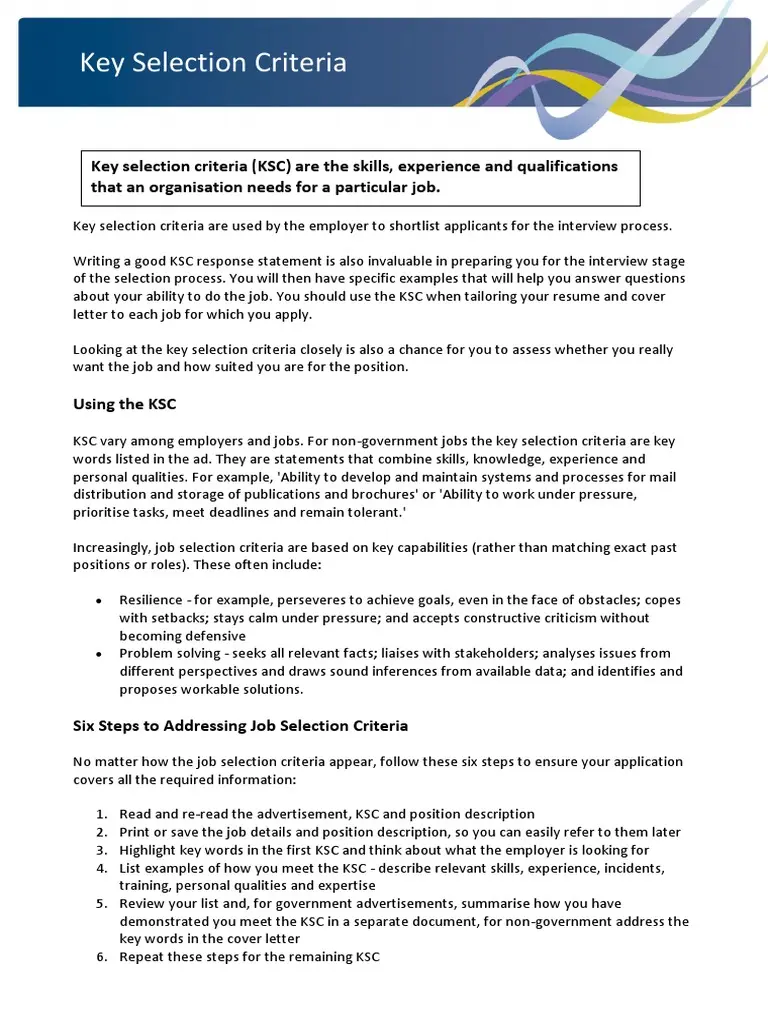
1. Proven Track Record with Sustainable Facade Solutions
Look for contractors who have completed at least three projects involving green cladding or energy‑saving façade systems in the last 24 months. The Green Building Council Hong Kong (GBC) lists certified firms on its public directory. Projects that achieved a minimum BREEAM rating of “Very Good” demonstrate the contractor’s ability to integrate low‑embodied‑carbon materials and smart ventilation.
Table of Contents
- Why Facade Renovation Is Critical in 2026
- Key Selection Criteria for a Facade Contractor
- 1. Proven Track Record with Sustainable Facade Solutions
- 2. Mastery of Local Regulations
- 3. Technical Expertise in Modern Cladding Systems
- Cost Structure in 2026: What to Expect
- Materials Comparison: Choosing the Right Cladding
- Step‑by‑Step Guide to Engaging a Facade Renovation Contractor
- Step 1: Define Scope & Performance Goals
- Step 2: Request Detailed Proposals
- Step 3: Conduct Site Visits & Reference Checks
- Step 4: Evaluate Financial & Legal Terms
- Step 5: Secure Permits & Commence Work
- Common Pitfalls and How to Avoid Them
- Real‑World Case Study: Central Business District Office Tower
- FAQs About Facade Renovation in Hong Kong
- What is the typical lead time for a façade overhaul?
- Do I need a separate contractor for waterproofing?
- How often should façade inspections be conducted after renovation?
- Can heritage buildings undergo modern cladding upgrades?
- Future Trends Shaping Facade Renovation in Hong Kong
- Conclusion: Making the Right Choice
2. Mastery of Local Regulations
Since the 2025 amendment to the Building (Construction) Regulations, contractors must submit detailed façade fire‑performance assessments. Choose a firm that employs a registered fire engineer and can navigate the Hong Kong Buildings Ordinance without delays. Non‑compliance can add 10‑15% to project timelines, according to a 2026 survey by the Construction Industry Council (CIC).
3. Technical Expertise in Modern Cladding Systems
Whether you prefer aluminum composite panels, stone veneer, or waterproof exterior wall panels, the contractor should demonstrate expertise in installation and maintenance. The recent surge in demand for composite siding installation across the region—highlighted in the Composite Siding Installation Cost per Square Foot Malaysia 2026 – Detailed Guide & Pricing Breakdown—underscores the need for specialists who understand material nuances.
Cost Structure in 2026: What to Expect
Facade renovation budgets in Hong Kong have risen by an average of 7% year‑on‑year since 2024, driven by higher labor costs and stricter safety standards. A typical mid‑rise office building (10‑12 floors) can expect the following breakdown:
- Design & Engineering: 12‑15% of total cost
- Materials (aluminum cladding, waterproof panels, insulation): 45‑55%
- Labor & Installation: 25‑30%
- Permits & Inspections: 5‑8%
For precise pricing, the Aluminum Cladding Exterior Wall Hong Kong Price 2026 guide offers a per‑square‑meter cost range of HKD 1,200–1,550, inclusive of delivery and waste management.
Materials Comparison: Choosing the Right Cladding
Below is a concise matrix that matches common cladding options with performance metrics relevant to Hong Kong’s environment:
| Material | Durability (Years) | Waterproof Rating | Fire Rating | Typical Cost (HKD/m²) |
|---|---|---|---|---|
| Aluminum Composite Panels (ACP) | 25–30 | IP55 | Class A | 1,200–1,400 |
| Fiber‑Reinforced Cement (FRC) | 30–35 | IP65 | Class B | 1,400–1,600 |
| Stone Veneer | 35–40 | IP65 | Class A | 1,800–2,200 |
| Waterproof Exterior Wall Panel (Malaysia‑sourced) | 20–25 | IP68 | Class B | 1,100–1,300 |
When sustainability is a priority, the Best Exterior Wall Cladding Material Malaysia 2026 article highlights eco‑friendly options that can be imported for Hong Kong projects, often at a competitive price point.
Step‑by‑Step Guide to Engaging a Facade Renovation Contractor
Step 1: Define Scope & Performance Goals
Clarify whether the project aims for aesthetic refresh, energy retrofitting, or compliance upgrades. Document target U‑values, colour palettes, and any heritage preservation requirements.
Step 2: Request Detailed Proposals
Invite at least three vetted contractors to submit proposals that include design schematics, material sub‑mittals, project schedules, and a risk‑mitigation plan. Ensure each bid references the latest building envelope standards from the Buildings Department.
Step 3: Conduct Site Visits & Reference Checks
Arrange walkthroughs of recent completed works. Speak with building owners to verify warranty fulfilment and post‑installation service quality.
Step 4: Evaluate Financial & Legal Terms
Beyond price, assess payment milestones, insurance coverage, and performance bonds. A 2026 CIC report found that contracts with clear liquidated‑damage clauses reduced dispute resolution time by 40%.
Step 5: Secure Permits & Commence Work
Collaborate with the contractor’s compliance team to file the façade alteration permit, fire‑performance report, and environmental impact assessment (if required). Early coordination can shave up to two weeks off the projected timeline.
Common Pitfalls and How to Avoid Them
- Underestimating Moisture Management: Skipping waterproof membrane installation leads to façade delamination. Verify that the contractor uses a tested system such as the Waterproof Exterior Wall Panel Malaysia Supplier 2026 solution, which meets ISO 9001 standards.
- Ignoring Thermal Expansion: Aluminum cladding expands with temperature changes. Ensure expansion joints are correctly spaced per the manufacturer’s guidelines.
- Non‑aligned Design and Structural Engineering: Aesthetic concepts must be validated against structural load calculations. Incompatible designs can cause façade failure under wind loads, a risk highlighted in the 2025 Hong Kong Wind Tunnel Study.
Real‑World Case Study: Central Business District Office Tower
In March 2026, a 15‑storey office tower in the Central district hired EcoFacade HK Ltd. to replace aging ACP panels with high‑performance, fire‑rated aluminum cladding. The project timeline was 9 months, 2 weeks ahead of schedule, due to the contractor’s integrated BIM workflow. Post‑renovation energy audits showed a 12% reduction in cooling load, translating to annual savings of approximately HKD 850,000. The client also received a “Green Building Merit” award from the GBC, underscoring the value of choosing a contractor with sustainability expertise.
FAQs About Facade Renovation in Hong Kong
What is the typical lead time for a façade overhaul?
For a mid‑rise building, expect 6–10 months from design approval to final handover, assuming all permits are secured promptly.
Do I need a separate contractor for waterproofing?
Most reputable façade firms provide a full‑service package that includes waterproof membrane installation. However, verify that the subcontractor holds ISO 9001 certification for quality assurance.
How often should façade inspections be conducted after renovation?
The Buildings Department recommends a visual inspection every 2 years and a detailed condition survey every 5 years to detect early signs of material fatigue.
Can heritage buildings undergo modern cladding upgrades?
Yes, but any alteration must receive approval from the Antiquities and Monuments Office. Use reversible fixing methods and retain original architectural elements where possible.
Future Trends Shaping Facade Renovation in Hong Kong
Looking ahead, three developments will influence contractor selection in 2027 and beyond:
- Smart Façade Systems: Integrated sensors that monitor temperature, humidity, and structural strain are gaining traction, offering predictive maintenance capabilities.
- Carbon‑Neutral Materials: Suppliers are introducing low‑carbon aluminum alloys and recycled composite panels, aligning with Hong Kong’s 2030 net‑zero goal.
- Modular Installation Techniques: Prefabricated façade modules reduce on‑site waste and accelerate construction, a method championed by the HK Construction Innovation Hub.
Contractors who invest in these technologies will not only meet regulatory expectations but also deliver added value to building owners.
Conclusion: Making the Right Choice
Choosing a building façade renovation contractor in Hong Kong for 2026 is less about price alone and more about a blend of regulatory competence, sustainable material knowledge, and proven project execution. By following the structured selection process outlined above, verifying compliance with the latest HK building codes, and referencing reliable cost guides such as the aluminum cladding price guide, property owners can safeguard their assets, enhance building performance, and contribute to a greener skyline.
Ready to start your façade transformation? Begin by compiling a shortlist of contractors that meet the criteria discussed, and schedule a preliminary design workshop to align expectations and timelines.