Choosing the right exterior wall cladding in Malaysia today means balancing climate resilience, aesthetic ambition, and budget constraints, and the 2026 market offers clear winners that satisfy all three. By evaluating durability, thermal performance, and local availability, homeowners and developers can select a system that reduces maintenance costs while boosting curb appeal—exactly what the modern Malaysian buyer expects.
Why Exterior Wall Cladding Matters in 2026
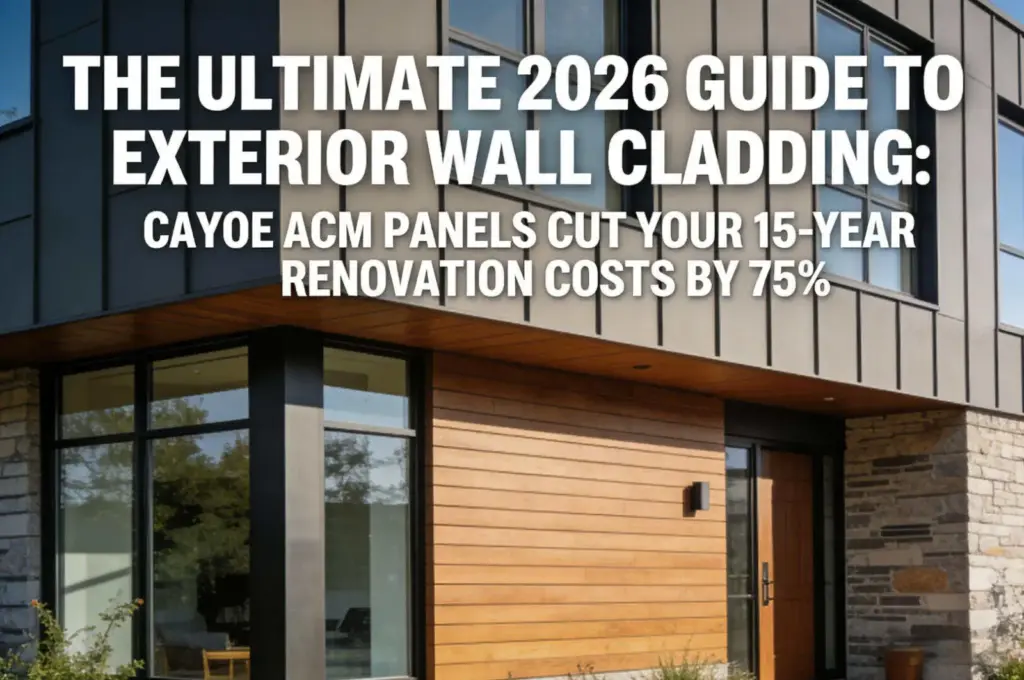
Malaysia’s tropical climate, characterized by high humidity, heavy rainfall, and occasional cyclonic winds, puts relentless pressure on building envelopes. A high‑performance cladding system not only protects the structural wall from moisture intrusion but also contributes to energy efficiency by reflecting heat and providing an extra insulation layer. According to the Standards and Industrial Research Institute of Malaysia (SIRIM) 2025 report, buildings with properly installed cladding can lower cooling loads by up to 15 %.
Key Criteria for Selecting the Best Exterior Wall Cladding
When scouting for the most suitable material, consider these four pillars:
Table of Contents
- Why Exterior Wall Cladding Matters in 2026
- Key Criteria for Selecting the Best Exterior Wall Cladding
- Top 5 Exterior Wall Cladding Materials in Malaysia for 2026
- 1. Fibre‑Cement Panels
- 2. Metal Composite Panels (MCP)
- 3. Natural Stone Veneer
- 4. Engineered Wood Cladding
- 5. High‑Pressure Laminated (HPL) Panels
- Cost Considerations and Budget Planning
- Real‑World Case Study: A Subsale Villa in Petaling Jaya
- Common Mistakes to Avoid
- FAQ – Quick Answers to Popular Queries
- What is the most weather‑resistant cladding for coastal areas?
- Can I combine different cladding materials on the same building?
- How long does a typical cladding installation take?
- Is there a financial incentive for using sustainable cladding?
- Future Outlook: What to Expect After 2026
- Durability & Weather Resistance: Ability to withstand rain, UV exposure, and termites.
- Thermal & Energy Performance: Insulating properties that reduce reliance on air‑conditioning.
- Maintenance & Lifecycle Cost: Frequency of painting, cleaning, or repairs.
- Design Flexibility: Range of colours, textures, and finishes that align with modern architectural trends.
Top 5 Exterior Wall Cladding Materials in Malaysia for 2026
1. Fibre‑Cement Panels
Fibre‑cement remains the most versatile and cost‑effective choice for residential and commercial projects. Made from a blend of cement, cellulose fibres, and additives, it offers excellent fire resistance and is non‑combustible. The SIRIM certification confirms that fibre‑cement panels meet the Malaysian Standard MS 1551:2023 for moisture resistance. With a lifespan of 30‑40 years and a price point of RM 45–55 per square metre, they are ideal for budget‑conscious developers.
2. Metal Composite Panels (MCP)
Aluminium‑zinc or aluminium‑copper alloys sandwiching a polyethylene core create a lightweight yet robust system. MCPs provide a sleek, modern look and are prized for their energy‑efficient reflective coating, which can cut interior heat gain by up to 12 % (National Energy Efficiency Council, 2025). Although the upfront cost—approximately RM 120–150 per square metre—is higher, the low maintenance (no repainting needed) often justifies the investment over a 25‑year service life.
3. Natural Stone Veneer
For upscale projects, natural stone such as granite, limestone, or basalt offers timeless elegance. In 2026, the Malaysian stone industry reported a 7 % increase in exports, reflecting improved quarrying techniques and better quality control. While stone veneer costs range from RM 180 to RM 250 per square metre, its superior durability and low thermal conductivity make it a strategic choice for high‑end residential estates in the Klang Valley.
4. Engineered Wood Cladding
Advances in treatment technology have revived wood as a credible exterior material. Engineered timber boards, treated with acetylation or thermal modification, resist rot and termite attack while delivering a warm, natural aesthetic. The World Bank 2025 Sustainable Construction Survey highlighted that buildings featuring engineered wood achieve a 10 % reduction in embodied carbon compared with steel or concrete facades. Prices sit at RM 70–90 per square metre, with a typical maintenance schedule of repainting every 5‑7 years.
5. High‑Pressure Laminated (HPL) Panels
HPL panels consist of multiple layers of kraft paper impregnated with thermosetting resins, pressed under high temperature and pressure. They offer a wide colour palette, graffiti resistance, and exceptional impact strength. The ISO 9001:2025 certification for Malaysian manufacturers ensures consistent quality. At RM 85–110 per square metre, HPL balances performance with affordability, making it a popular pick for mid‑range condominiums.
Cost Considerations and Budget Planning
Understanding the renovation cost per square foot is essential when allocating funds for cladding. According to the Renovation Cost per Square Foot Malaysia 2026 – Complete Budget Guide & Savings Tips, exterior cladding accounts for roughly 15‑20 % of total renovation expenses. To illustrate, a 2,000 sq ft bungalow using fibre‑cement panels would require an estimated RM 90,000–110,000 for material alone, whereas metal composite panels could push the figure to RM 240,000‑300,000.
For transparent pricing and contractor selection, consult the Home Renovation Contractor Price List Malaysia 2026 – Complete Guide. This resource breaks down labor rates, material mark‑ups, and typical project timelines, helping you avoid hidden costs.
Real‑World Case Study: A Subsale Villa in Petaling Jaya
In early 2026, a 3,500 sq ft villa undergoing a subsale renovation opted for a hybrid cladding approach: fibre‑cement on the lower façade for moisture protection, and engineered wood on the upper sections to create a warm visual transition. The owner reported a 13 % reduction in monthly electricity bills, attributed to the thermal break provided by the wood’s natural insulation. Maintenance records over the first 18 months showed only minor cleaning, confirming the material’s low upkeep claim.
Common Mistakes to Avoid
- Ignoring Local Climate Data: Selecting a material popular overseas without verifying its performance under Malaysia’s high humidity can lead to premature degradation.
- Underestimating Installation Quality: Even the best cladding fails if joints are improperly sealed. Engage certified installers familiar with MS standards.
- Overlooking Lifecycle Costs: Focusing solely on upfront price often hides future repainting or repair expenses, especially with low‑grade metal panels.
- Neglecting Regulatory Approvals: Certain high‑rise projects require fire‑rating certifications; always check with the local council before procurement.
FAQ – Quick Answers to Popular Queries
What is the most weather‑resistant cladding for coastal areas?
Metal composite panels with a high‑reflectivity coating are the top choice, as they resist salt spray and maintain colour integrity for decades.
Can I combine different cladding materials on the same building?
Yes. A mixed‑material strategy can optimise cost and performance, such as pairing fibre‑cement at the base for moisture protection with HPL or engineered wood higher up for aesthetics.
How long does a typical cladding installation take?
For a standard 2,000 sq ft residence, installation ranges from 3 to 5 weeks, depending on material complexity and site accessibility.
Is there a financial incentive for using sustainable cladding?
The Malaysian Green Building Index (MyGBI) awards additional points for low‑embodied‑carbon materials like engineered wood, potentially unlocking tax rebates for developers.
Future Outlook: What to Expect After 2026
Emerging trends such as bio‑based composites and nanocoated surfaces promise even greater durability and eco‑friendliness. By 2028, we anticipate wider adoption of solar‑integrated cladding that doubles as power generators—a development that will reshape cost‑benefit analyses for developers across the Klang Valley and beyond.
Whether you’re renovating a heritage home or launching a new condo, selecting the best exterior wall cladding material in Malaysia hinges on a clear understanding of performance metrics, budget realities, and regulatory frameworks. Armed with the insights above, you can make a confident, future‑proof decision that enhances both property value and occupant comfort.
For further guidance on budgeting, see our Fix a Housing Loan Rejection in Malaysia 2026 – Proven Steps to Get Approved Fast article, which outlines financing options that can cover cladding upgrades.
Explore property market dynamics in the Klang Valley to gauge the resale impact of premium cladding at Property Hotspot Klang Valley Investment 2026.