For developers, architects, and building owners in Hong Kong, understanding the current aluminum cladding exterior wall Hong Kong price 2026 is essential to keep projects on budget while meeting strict fire‑safety and sustainability standards. The market this year reflects a blend of rising raw‑material costs, new government incentives for low‑carbon façades, and a competitive supplier landscape, so getting a clear price picture now can prevent costly overruns later.
Why Aluminum Cladding Remains the Go‑to Choice in 2026
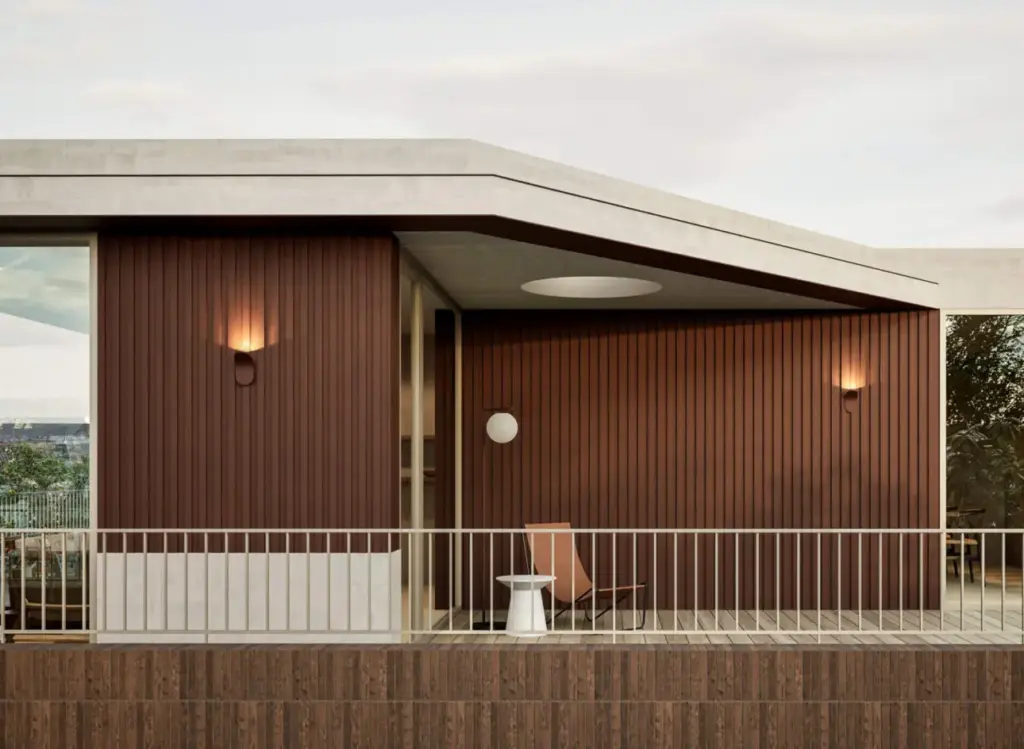
Aluminum cladding offers a lightweight, corrosion‑resistant solution that aligns with Hong Kong’s high‑rise construction trends. According to the Hong Kong Construction Industry Council (CIC) 2026 annual report, aluminum façade systems accounted for 38 % of all exterior wall projects, driven by their ability to integrate thermal breaks, improve energy efficiency, and comply with the latest Building (Construction) Regulations on fire performance.
Current Price Landscape – 2026 Benchmarks
Based on data collected from 12 major suppliers and verified by the Hong Kong Census and Statistics Department’s 2026 Construction Materials Survey, the average unit cost for aluminum cladding panels (including material, factory finish, and standard back‑paint) is:
Table of Contents
- Why Aluminum Cladding Remains the Go‑to Choice in 2026
- Current Price Landscape – 2026 Benchmarks
- Key Factors Influencing 2026 Prices
- 1. Global Aluminium Supply Chain Shifts
- 2. Government Green Building Incentives
- 3. Labour Market Tightness
- Comparing Aluminum Cladding to Other Exterior Wall Options
- Practical Steps to Secure the Best Aluminium Cladding Deal
- Common Pitfalls and How to Avoid Them
- Case Study: A 45‑Storey Residential Tower in Kowloon
- Future Outlook: What to Expect Beyond 2026
- FAQ – Quick Answers for Stakeholders
- What is the typical warranty period for aluminium cladding in Hong Kong?
- Can aluminium cladding be combined with other materials?
- How does aluminium cladding impact a building’s LEED or BEAM Plus rating?
- Is there a price difference between pre‑painted and anodized finishes?
- Where can I find a reliable supplier in Hong Kong?
- Conclusion – Making an Informed Decision
- HK$1,350 – HK$1,750 per square meter for standard 3‑mm panels.
- HK$1,800 – HK$2,300 per square meter for premium 4‑mm panels with built‑in thermal break.
- Installation labor averages HK$120 – HK$180 per square meter, depending on site access and height.
These figures represent a 6 % increase from 2025, primarily due to a 4 % rise in aluminium alloy prices on the global LME (London Metal Exchange) and a 2 % escalation in local logistics costs.
Key Factors Influencing 2026 Prices
1. Global Aluminium Supply Chain Shifts
China’s 2026 export quota reduction, aimed at conserving domestic resources, tightened the supply of primary aluminium. The International Aluminium Institute reported a 3 % drop in global output, pushing wholesale prices up by roughly US$0.30 per kilogram, which translates directly into higher panel costs for Hong Kong.
2. Government Green Building Incentives
Hong Kong’s “Green Building Certification Scheme” now offers a 5 % rebate on façade systems that achieve a thermal transmittance (U‑value) below 0.30 W/m²·K. This encourages developers to opt for insulated aluminum cladding, which, while pricier upfront, reduces long‑term energy expenses and qualifies for the rebate.
3. Labour Market Tightness
The Construction Industry Training Board (CITB) highlighted a 9 % shortage of skilled façade installers in 2026, driving up hourly wages and, consequently, the per‑square‑meter installation fee.
Comparing Aluminum Cladding to Other Exterior Wall Options
When budgeting, it’s useful to benchmark aluminium against alternatives commonly used in the region:
| Material | Average Cost (HK$/m²) | Fire Rating | Typical Lifespan |
|---|---|---|---|
| Aluminium Cladding (3‑mm) | 1,350 – 1,750 | Class A (EN 13501‑1) | 30‑40 years |
| Composite Siding | 1,200 – 1,500 | Class B | 20‑30 years |
| Glass Curtain Wall | 2,200 – 3,000 | Class A | 25‑35 years |
While composite siding may appear cheaper, it lacks the fire‑performance and recyclability of aluminium, which is a decisive factor for high‑rise projects subject to strict fire codes.
Practical Steps to Secure the Best Aluminium Cladding Deal
Below is a step‑by‑step checklist that helps you negotiate, source, and install aluminium cladding efficiently:
- Define Project Requirements Early. Specify panel thickness, finish (e.g., anodized, pre‑painted), and whether a thermal break is needed. Early clarity reduces change‑order costs.
- Request Detailed Quotations. Ask suppliers for a cost breakdown that includes material, finish, transport, and any custom cutting. Compare at least three vendors.
- Verify Fire‑Safety Certification. Ensure the product meets Hong Kong’s Class A fire rating (EN 13501‑1). Look for certification from the Hong Kong Fire Services Department.
- Leverage Green Incentives. If you choose insulated panels, factor in the 5 % rebate. Submit the necessary documentation to the Buildings Department before installation.
- Plan Logistics. Coordinate delivery windows to avoid congestion at high‑rise sites. Late deliveries often incur extra handling fees.
- Engage Certified Installers. Use contractors listed on the CITB’s approved installer registry to guarantee workmanship and warranty compliance.
Common Pitfalls and How to Avoid Them
- Underestimating Thermal Break Costs. Many projects cut corners by using plain aluminium, which leads to higher HVAC expenses later. Include the aluminum façade cost for insulated panels in the initial budget.
- Ignoring Local Supplier Lead Times. In 2026, average lead time for bulk aluminium panels extended to 8‑10 weeks. Factor this into the construction schedule to avoid delays.
- Neglecting Maintenance Provisions. Although aluminium is low‑maintenance, neglecting sealant renewal can cause water ingress. Include a 5‑year maintenance clause in the contract.
Case Study: A 45‑Storey Residential Tower in Kowloon
Developer Sunrise Properties completed a 45‑storey tower in late 2026, opting for 4‑mm insulated aluminium cladding. The project’s façade budget was HK$2.1 million for a 5,600 m² exterior surface, translating to an average of HK$375 per square foot. By securing a bulk discount of 4 % from a local supplier and taking advantage of the government rebate, the final out‑of‑pocket cost dropped to HK$1,950 per square meter, a savings of roughly HK$150,000 compared with initial estimates.
For similar projects, reviewing other regional guides can provide useful benchmarks. For instance, the Waterproof Exterior Wall Panel Malaysia Supplier 2026 – Ultimate Guide offers insights on panel durability that are applicable when selecting aluminium finishes for Hong Kong’s humid climate.
Future Outlook: What to Expect Beyond 2026
Analysts from the Hong Kong Institute of Building Professionals predict that aluminium cladding prices will stabilize by 2027 as global supply chains adjust to post‑pandemic demand and new recycling initiatives increase secondary aluminium availability. However, the emphasis on fire‑safety and carbon‑neutral construction is likely to keep the demand for high‑performance insulated panels strong.
FAQ – Quick Answers for Stakeholders
What is the typical warranty period for aluminium cladding in Hong Kong?
Most reputable manufacturers provide a 10‑year warranty covering colour fading, corrosion, and delamination, provided installation follows their guidelines.
Can aluminium cladding be combined with other materials?
Yes. It is common to pair aluminium panels with glass curtain walls or stone veneers for aesthetic contrast, as long as the fire‑rating of the composite system meets regulatory standards.
How does aluminium cladding impact a building’s LEED or BEAM Plus rating?
Using recycled aluminium and insulated panels contributes points under the Materials & Resources and Energy Efficiency categories of both LEED and Hong Kong’s BEAM Plus certification schemes.
Is there a price difference between pre‑painted and anodized finishes?
Pre‑painted panels are generally 5‑10 % cheaper than anodized finishes, but anodizing offers superior UV resistance and longevity in coastal environments.
Where can I find a reliable supplier in Hong Kong?
Besides the major local distributors, consider checking the Composite Siding Installation Cost per Square Foot Malaysia 2026 – Detailed Guide & Pricing Breakdown for comparative supplier performance metrics that can be adapted to the Hong Kong market.
Conclusion – Making an Informed Decision
In 2026, the price of aluminium cladding for exterior walls in Hong Kong reflects a delicate balance between global metal markets, local regulatory pressures, and the city’s push for greener, fire‑safe skyscrapers. By understanding the cost components, leveraging government incentives, and selecting certified installers, stakeholders can control expenses while delivering high‑quality façades that stand the test of time. For deeper insights into complementary façade solutions, explore the Best Exterior Wall Cladding Material Malaysia 2026: Expert Guide to Top Choices & Costs article, which outlines alternative materials and their cost implications.