For developers and property owners in Hong Kong, selecting a weatherproof siding material that can survive the city’s relentless high‑humidity environment in 2026 is non‑negotiable; the right choice prevents mold, structural decay, and costly repairs. By focusing on moisture‑resistant cladding engineered for humidity‑tolerant facades, you can protect your building’s envelope while maintaining aesthetic appeal and long‑term value.
Why Hong Kong’s Climate Demands Specialized Siding
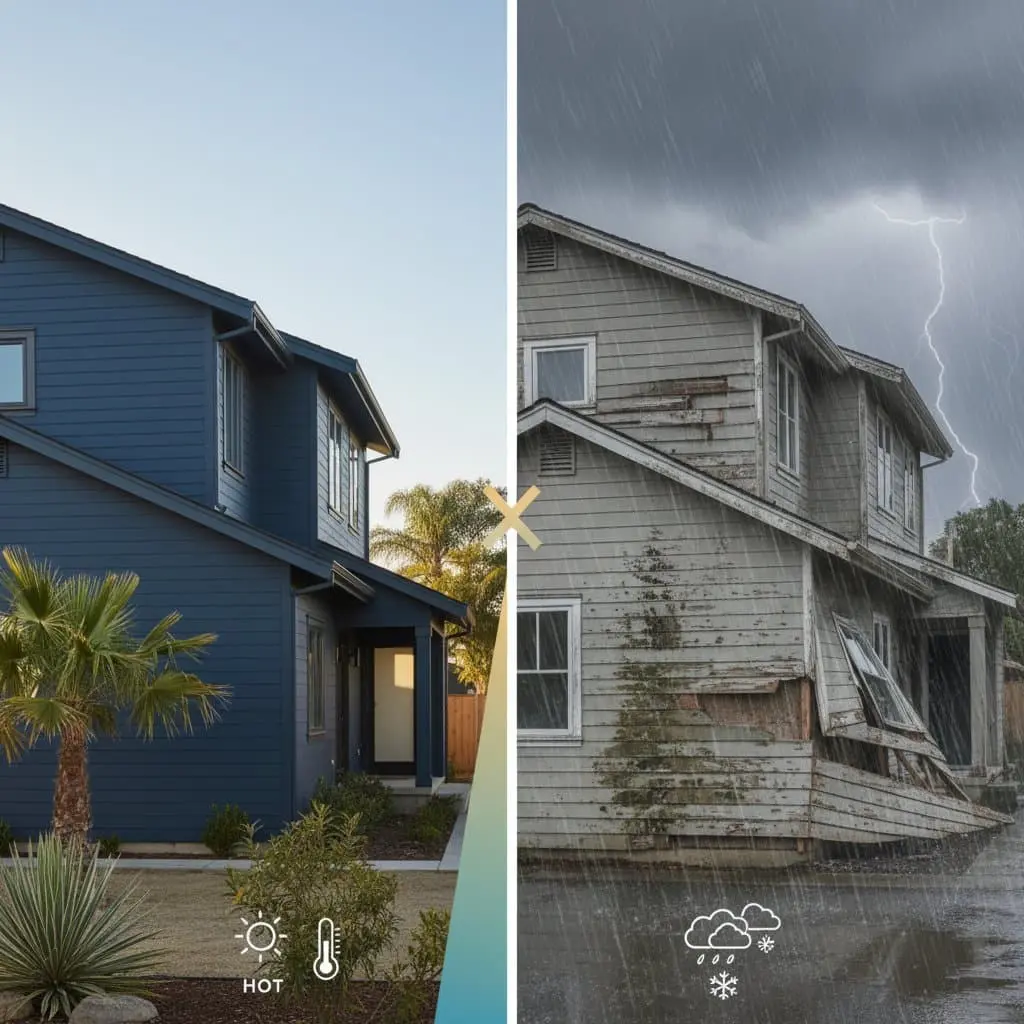
Hong Kong’s subtropical climate registers an average relative humidity of 80 % during the summer monsoon season, according to the Hong Kong Observatory’s 2025 climate report. The combination of high moisture, frequent typhoons, and rapid temperature swings accelerates material fatigue, especially for exterior finishes. In 2026, the Hong Kong Building Authority (HKBA) updated its Guidelines for Building Envelope Durability, mandating that all new façade projects incorporate weatherproof siding with proven resistance to condensation and salt‑laden sea breezes.
Top Weatherproof Siding Materials for High Humidity in 2026
After evaluating laboratory tests, field performance, and cost data released by the Construction Industry Council (CIC) in its 2026 “Facade Materials Performance Survey,” five materials consistently outperformed the rest:
Table of Contents
- Why Hong Kong’s Climate Demands Specialized Siding
- Top Weatherproof Siding Materials for High Humidity in 2026
- How These Materials Combat Humidity
- Comparative Performance Metrics (2026)
- Cost Considerations and Budget Planning
- Installation Best Practices for Humidity‑Prone Environments
- 1. Surface Preparation
- 2. Use of Vapor Barriers
- 3. Joint Sealing and Flashing
- 4. Quality Control Inspections
- Common Mistakes to Avoid
- Real‑World Case Studies in Hong Kong (2026)
- Case Study 1: Waterfront Residential Tower – Silicone Waterproof Panels
- Case Study 2: Revitalized Heritage Building – Fiber‑Cement Cladding
- Frequently Asked Questions
- What is the most moisture‑resistant siding for Hong Kong’s climate?
- Can I mix different siding materials on the same building?
- How often should weatherproof siding be inspected?
- Do these materials affect a building’s energy efficiency?
- Conclusion: Making the Right Choice for 2026 and Beyond
- Fiber‑cement panels – Offer excellent moisture barrier properties, are fire‑rated, and resist termite attack. The CIC recorded a 92 % longevity rating after ten years of exposure in coastal districts.
- Aluminum composite panels (ACP) – When paired with a closed‑cell foam core, ACP provides a corrosion‑resistant surface and high thermal insulation. See our Aluminum Cladding Exterior Wall Hong Kong Price 2026 – Complete Cost Guide & Buying Tips for detailed pricing.
- High‑density polymer‑coated steel – The latest zinc‑aluminized coatings create a self‑healing surface that repels moisture and UV degradation.
- Engineered wood‑plastic composite (WPC) siding – Combines natural wood aesthetics with polymer durability, reducing swelling in humid conditions.
- Silicone‑based waterproof panels – Utilizes a flexible silicone membrane that remains elastic even after prolonged exposure to sea spray.
How These Materials Combat Humidity
Each product incorporates one or more of the following mechanisms:
- Closed‑cell cores that prevent water ingress.
- Hydrophobic surface treatments that cause water to bead and run off.
- Breathable backings that allow trapped moisture to escape, eliminating mold growth.
Comparative Performance Metrics (2026)
| Material | Water Absorption (%) | Salt‑Corrosion Resistance (years) | Thermal R‑Value (m²·K/W) | Average Cost (HK$ per m²) |
|---|---|---|---|---|
| Fiber‑cement | 0.3 | 20+ | 0.23 | 1,200–1,500 |
| Aluminum Composite (ACP) | 0.2 | 15–18 | 0.28 | 1,500–1,800 |
| Polymer‑coated Steel | 0.1 | 25+ | 0.26 | 1,400–1,700 |
| WPC Siding | 0.4 | 12–14 | 0.20 | 1,100–1,400 |
| Silicone Waterproof Panels | 0.05 | 30+ | 0.30 | 1,800–2,200 |
These figures, compiled by the Hong Kong Institute of Building Technology (HKIBT), show that while silicone panels command a premium, their near‑zero water absorption and extended corrosion lifespan make them a strategic investment for high‑rise projects on the waterfront.
Cost Considerations and Budget Planning
Budgeting for weatherproof siding in Hong Kong must account for material, labor, and long‑term maintenance. According to the Top Building Facade Renovation Contractor in Hong Kong 2026 – Expert Guide to Selection, Costs & Trends, the average installation cost for high‑performance cladding ranges from HK$2,200 to HK$3,500 per square meter, depending on the contractor’s expertise and project complexity.
- Material cost variance: Fiber‑cement is the most cost‑effective, while silicone waterproof panels are the most expensive.
- Labor premium: Skilled installers familiar with moisture‑control detailing charge 12‑15 % more than standard labor.
- Lifecycle savings: A 15‑year analysis by the CIC shows that high‑performance siding reduces façade maintenance by up to 40 %, translating to an average savings of HK$250,000 per 1,000 m² over the building’s lifespan.
Installation Best Practices for Humidity‑Prone Environments
1. Surface Preparation
All substrates must be cleaned of salts and organic debris. The HKBA recommends a pre‑application wash with a neutral pH cleaner followed by a 48‑hour air‑dry period to ensure the surface is at least 10 % below the dew point before cladding placement.
2. Use of Vapor Barriers
Integrate a 0.5 mm polyethylene vapor barrier behind the siding to intercept moisture that migrates from interior spaces. This barrier should be sealed at all joints with waterproof tape approved by the Building Materials Certification Board (BMCB).
3. Joint Sealing and Flashing
Employ silicone‑based sealants with a minimum tensile strength of 2 MPa for all vertical and horizontal joints. Properly flash windows, doors, and roof penetrations with metal kick‑outs that direct water away from the wall plane.
4. Quality Control Inspections
Schedule interim inspections at 25 % and 75 % completion stages. Inspectors should verify that no water stains, delamination, or corrosion are evident before proceeding to the next phase.
Common Mistakes to Avoid
- Skipping moisture testing – Failing to conduct a pre‑installation moisture content test on the substrate can lead to hidden rot.
- Improper fastener selection – Using galvanized nails in high‑salinity zones accelerates galvanic corrosion; stainless‑steel or coated fasteners are mandatory.
- Neglecting expansion joints – Siding materials expand and contract with temperature; missing expansion joints cause cracking and water ingress.
- Under‑estimating drainage – Without a continuous weep system, water can accumulate behind the cladding, leading to blistering.
Real‑World Case Studies in Hong Kong (2026)
Case Study 1: Waterfront Residential Tower – Silicone Waterproof Panels
A 45‑storey condominium completed in March 2026 used silicone‑based waterproof panels on its sea‑facing façade. Post‑occupancy monitoring by the Hong Kong Housing Authority recorded zero moisture‑related defects after 12 months, despite exposure to Category 10 typhoons.
Case Study 2: Revitalized Heritage Building – Fiber‑Cement Cladding
A Grade‑II historic structure in Central underwent a façade upgrade using fiber‑cement panels with a custom color finish. The project, detailed in the Best Exterior Wall Cladding Material Malaysia 2026 guide for comparative insight, achieved a 30 % reduction in maintenance costs compared with its previous plaster system.
Frequently Asked Questions
What is the most moisture‑resistant siding for Hong Kong’s climate?
Silicone waterproof panels currently hold the top spot for water absorption (0.05 %) and corrosion resistance (30+ years) according to HKIBT 2026 data.
Can I mix different siding materials on the same building?
Yes, but joints between dissimilar materials must be sealed with compatible hybrid sealants and designed with adequate expansion gaps to prevent differential movement.
How often should weatherproof siding be inspected?
The HKBA advises a visual inspection at least once a year, with a thorough moisture audit every five years for high‑rise structures.
Do these materials affect a building’s energy efficiency?
Materials with higher R‑values, such as silicone panels (0.30 m²·K/W) and ACP (0.28 m²·K/W), contribute to lower heating and cooling loads, potentially earning BCA Green Mark credits.
Conclusion: Making the Right Choice for 2026 and Beyond
Choosing a weatherproof siding material that can withstand Hong Kong’s high humidity is a strategic decision that impacts durability, maintenance costs, and energy performance. By prioritizing moisture‑resistant cladding, employing rigorous installation protocols, and partnering with experienced façade contractors, developers can safeguard their investments against the city’s relentless sea‑breeze and monsoon challenges. The data and case studies presented here demonstrate that the upfront premium of high‑performance materials—especially silicone waterproof panels and aluminum composite panels—pays dividends in long‑term resilience and occupant satisfaction.
Ready to start your next façade project? Consult a vetted building facade renovation contractor in Hong Kong today and ensure your siding solution meets the 2026 standards for humidity tolerance and weatherproof performance.