To secure a dependable metal cladding system supplier in Hong Kong’s booming industrial sector for 2026, you need a partner that blends technical expertise, local code compliance, and competitive pricing—all in one package. This guide cuts through the noise by outlining the key criteria, market trends, and actionable steps you can take today to select the right provider and future‑proof your façade.
Why Metal Cladding Remains the Top Choice for Industrial Facades in 2026
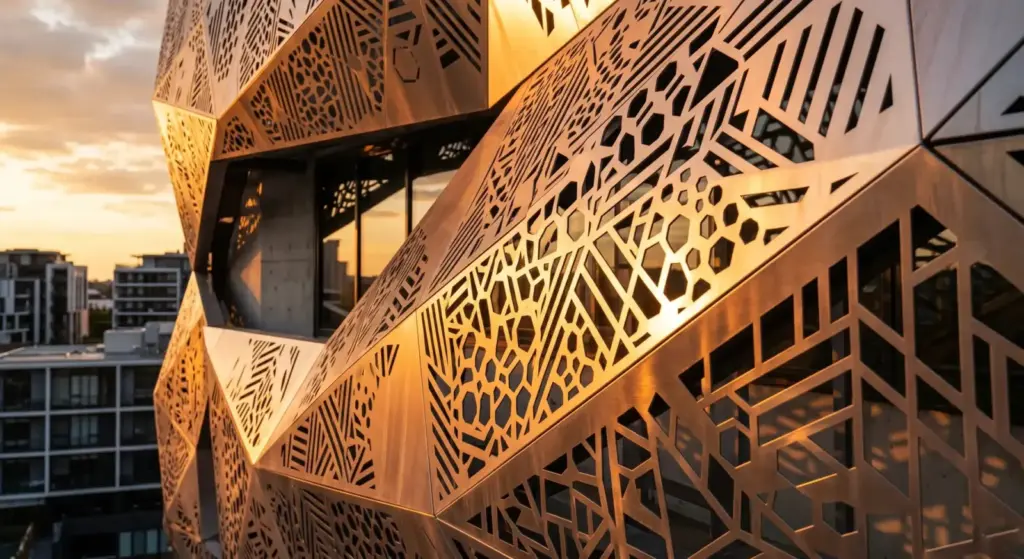
Industrial buildings demand durability, low maintenance, and fast installation. High‑performance metal panels meet all three requirements while offering excellent fire resistance and the flexibility to accommodate heavy equipment and large openings. According to the Hong Kong Construction Association’s 2026 market report, metal cladding accounts for 38 % of new industrial envelope projects, outpacing traditional brick and concrete by a margin of 12 %.
- Longevity: Galvanized steel and aluminium alloys can withstand the corrosive coastal environment of Hong Kong for 30‑40 years with minimal upkeep.
- Speed: Prefabricated panels reduce on‑site labour by up to 45 %, a crucial factor when deadlines are tight.
- Design flexibility: Modern finishes—from matte zinc to perforated stainless steel—allow architects to achieve both functional and aesthetic goals.
Key Market Trends Shaping Metal Cladding in Hong Kong’s Industrial Sector
Three forces are driving the surge in metal cladding adoption:
Table of Contents
- Why Metal Cladding Remains the Top Choice for Industrial Facades in 2026
- Key Market Trends Shaping Metal Cladding in Hong Kong’s Industrial Sector
- How to Identify a Reliable Metal Cladding System Supplier in Hong Kong
- 1. Proven Track Record in Industrial Projects
- 2. Certification and Compliance
- 3. Local Manufacturing Capability
- 4. Technical Support and BIM Integration
- 5. Transparent Pricing Structure
- Cost Factors and Pricing Landscape in 2026
- Sustainability and the Building Envelope: Going Green with Metal Cladding
- Common Pitfalls and How to Avoid Them
- Inadequate Substrate Preparation
- Overlooking Expansion Joints
- Underestimating Installation Complexity
- Real‑World Case Study: The Kwai Chung Logistics Hub
- Step‑by‑Step Guide to Securing the Right Supplier
- FAQ – Frequently Asked Questions
- What is the typical lifespan of metal cladding in Hong Kong’s humid climate?
- Are metal cladding systems fire‑rated?
- How does metal cladding affect interior temperature?
- Can metal cladding be retrofitted onto existing industrial structures?
- What warranty should I expect from a reputable supplier?
- Conclusion – Making the Right Choice for 2026 and Beyond
- Sustainability mandates: The Hong Kong Environmental Protection Department has tightened the Building Energy Efficiency Ordinance, prompting developers to seek cladding that supports thermal insulation and recyclable material use.
- Smart‑factory integration: As Industry 4.0 facilities proliferate, the need for seamless integration of sensors and ventilation ducts makes the modular nature of metal panels ideal.
- Cost volatility: Raw‑material price fluctuations have pushed buyers toward suppliers who can lock in rates through bulk purchasing and local fabrication.
How to Identify a Reliable Metal Cladding System Supplier in Hong Kong
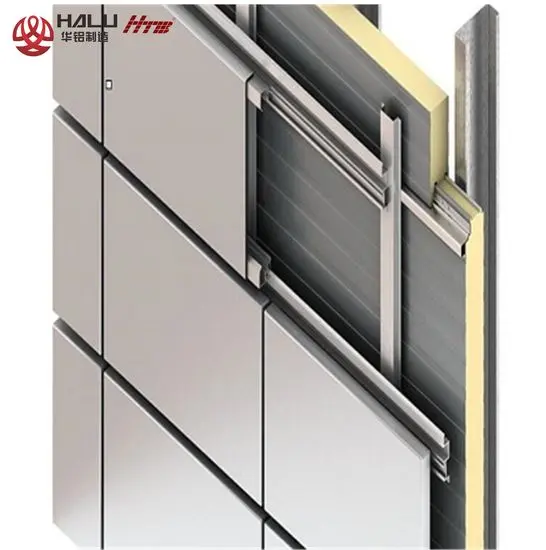
Choosing the right partner is more than a price comparison exercise. Below are the critical checkpoints that separate reputable suppliers from the rest.
1. Proven Track Record in Industrial Projects
Ask for case studies of recent warehouses, logistics hubs, or manufacturing plants. A supplier who can demonstrate successful delivery on projects similar to yours—especially those meeting the Top Building Facade Renovation Contractor in Hong Kong 2026 criteria—will have the operational know‑how you need.
2. Certification and Compliance
Check for ISO 9001 quality management, CE marking for European standards, and local approvals such as the Buildings Department’s “Fire Safety (Structural) – Metal Cladding” certification. Compliance ensures your façade will pass the mandatory Building Authority inspections.
3. Local Manufacturing Capability
Suppliers with on‑site or nearby factories can shorten lead times dramatically. In 2026, the average delivery window for prefabricated metal panels from mainland China to Hong Kong has been reduced from 8‑10 weeks to 4‑5 weeks thanks to expanded local production lines.
4. Technical Support and BIM Integration
Modern projects rely on Building Information Modeling (BIM). A supplier that provides BIM‑ready 3D models, clash‑detection services, and on‑site technical assistance will help you avoid costly redesigns.
5. Transparent Pricing Structure
Look for itemised quotes that break down material cost, fabrication, surface treatment, transportation, and installation. Hidden fees are a common pitfall in the Hong Kong construction market.
Cost Factors and Pricing Landscape in 2026
The total cost of a metal cladding system depends on several variables. Below is a snapshot of typical price ranges based on recent industry data from the Hong Kong Institute of Surveyors (HKIS, 2026).
| Component | Typical Cost (HKD/m²) | Notes |
|---|---|---|
| Base steel panel (galvanized) | ¥1,200 – ¥1,550 | Depends on thickness (0.8‑1.2 mm) |
| Aluminium finishing coat | ¥300 – ¥480 | Includes colour and texture |
| Fabrication & CNC cutting | ¥150 – ¥250 | Precision for perforated designs |
| Transportation (HK Island to New Territories) | ¥80 – ¥120 | Flat‑rate per load |
| Installation labour | ¥250 – ¥350 | Depends on project height |
For a 5,000 m² warehouse, the overall budget typically ranges from HKD 7 million to HKD 9 million. To keep costs in check, negotiate bulk discounts on material and consider the Aluminum Cladding Exterior Wall Hong Kong Price 2026 guide for benchmark pricing.
Sustainability and the Building Envelope: Going Green with Metal Cladding
Environmental performance is now a decisive factor for investors. Metal cladding can contribute to a greener building envelope when combined with insulated cores and reflective coatings. The Hong Kong Green Building Council (HKGBC) reports that facilities using insulated metal panels achieve up to 25 % lower cooling loads compared with conventional steel sheeting.
- Recyclability: Up to 95 % of aluminium and steel cladding can be reclaimed at the end of its life cycle.
- Low VOC finishes: Modern powder‑coat processes eliminate harmful solvents, aligning with the HKGBC’s “Zero Emission” target for 2030.
- Thermal break technology: Incorporating polyurethane or phenolic foam cores improves R‑values without increasing panel thickness.
Common Pitfalls and How to Avoid Them
Even experienced project managers encounter setbacks. Here are the most frequent errors and practical remedies.
Inadequate Substrate Preparation
Failing to treat the underlying concrete or steel can cause premature corrosion. Ensure the supplier conducts a thorough surface inspection and applies a compatible primer before panel fixation.
Overlooking Expansion Joints
Metal expands and contracts with temperature changes. Neglecting proper joint detailing leads to panel warping or buckling. Ask the supplier for detailed joint layout drawings that comply with the Buildings Department’s thermal movement guidelines.
Underestimating Installation Complexity
High‑rise industrial towers often require specialised lifting equipment. Verify that the contractor’s crew is certified for tower crane operations and that a detailed erection plan is in place.
Real‑World Case Study: The Kwai Chung Logistics Hub
Completed in Q2 2026, the 12‑acre Kwai Chung logistics hub showcases a state‑of‑the‑art metal cladding system supplied by a local Hong Kong firm. The project achieved the following:
- Reduced façade installation time by 38 % thanks to pre‑engineered panels.
- Cut annual energy consumption by 22 % after installing insulated metal panels with a reflective coating.
- Met the HKGBC’s “Platinum” rating, reinforcing the client’s sustainability credentials.
The supplier’s ability to provide BIM models, on‑site technical support, and a transparent cost breakdown was highlighted in the post‑project review, underscoring the importance of the selection criteria discussed earlier.
Step‑by‑Step Guide to Securing the Right Supplier
Follow this actionable roadmap to lock in a qualified metal cladding system supplier for your industrial project.
- Define Project Scope: Document façade area, required fire rating, insulation needs, and aesthetic preferences.
- Shortlist Suppliers: Use industry directories, trade shows (e.g., Hong Kong Build Expo 2026), and referrals. Verify each candidate’s certifications.
- Request Detailed Proposals: Insist on itemised quotes, lead times, and sample panels for colour/finish approval.
- Evaluate Technical Capability: Review BIM files, ask for mock‑up installations, and assess the supplier’s on‑site support plan.
- Conduct Value‑Engineering Review: Compare proposals against budget, energy performance targets, and life‑cycle cost analyses.
- Finalize Contract: Include clauses for warranty (minimum 10 years), penalty for delayed delivery, and performance guarantees.
- Monitor Production: Schedule factory visits or virtual tours to ensure quality control before shipping.
- Supervise Installation: Deploy a qualified site supervisor to coordinate with the supplier’s installation team and verify compliance with joint detailing.
FAQ – Frequently Asked Questions
What is the typical lifespan of metal cladding in Hong Kong’s humid climate?
When properly maintained, galvanized steel and aluminium panels can last 30‑40 years. Regular cleaning and inspection of fasteners extend service life.
Are metal cladding systems fire‑rated?
Yes. Panels can be manufactured to meet Class A fire ratings (BS 476 Part 6) and are often combined with intumescent fire‑stop sealants for added protection.
How does metal cladding affect interior temperature?
Insulated metal panels with reflective coatings can reduce solar heat gain by up to 30 %, lowering HVAC loads and improving occupant comfort.
Can metal cladding be retrofitted onto existing industrial structures?
Retrofitting is feasible provided the existing substrate can support the additional weight. Structural engineers should verify load capacity, and expansion joints must be re‑designed.
What warranty should I expect from a reputable supplier?
Industry standards in Hong Kong call for a minimum 10‑year warranty covering material defects, coating delamination, and corrosion under normal use.
Conclusion – Making the Right Choice for 2026 and Beyond
In an era where speed, sustainability, and cost efficiency dominate the industrial construction agenda, selecting a metal cladding system supplier that excels in technical expertise, local compliance, and transparent pricing is non‑negotiable. By applying the criteria, cost insights, and step‑by‑step process outlined above, you can secure a partnership that not only meets today’s project demands but also positions your facility for future growth and regulatory changes.
For additional guidance on weather‑resistant cladding options, explore our Weatherproof Siding Material for High Humidity Hong Kong 2026 – Expert Guide, which complements metal panel selection with insights on moisture management and long‑term durability.