For architects, developers, and safety engineers searching for a reliable fire‑resistant exterior wall panel manufacturer in 2026, the fastest route to a compliant, cost‑effective façade is to partner with a supplier that blends advanced fire‑rated cladding technology, superior thermal insulation, and proven building code compliance. By selecting a manufacturer that meets the latest International Building Code (IBC) fire‑performance criteria and offers sustainable building materials, project teams can mitigate risk, lower insurance premiums, and accelerate approvals.
Why Fire‑Resistant Exterior Wall Panels Are Non‑Negotiable in 2026
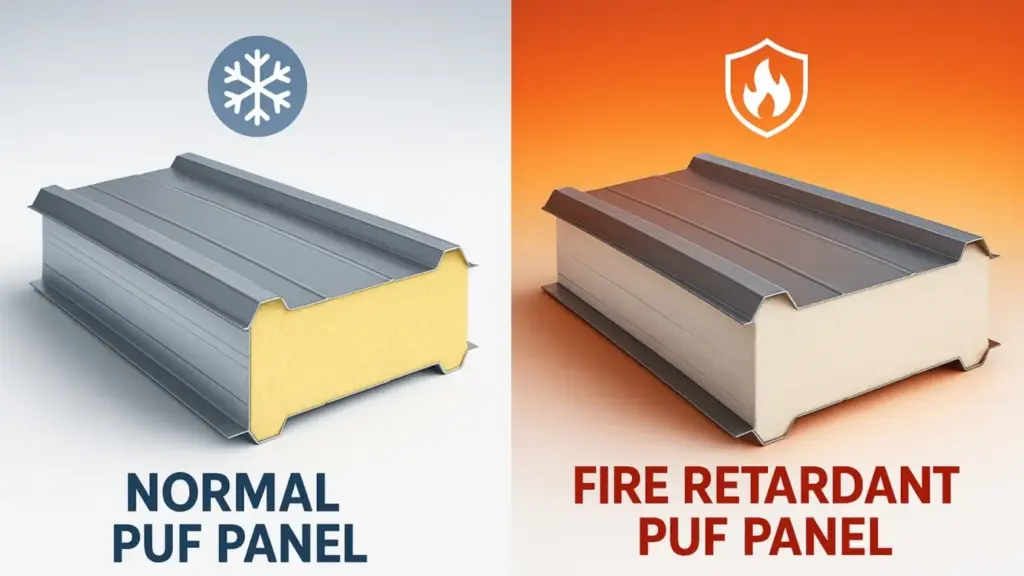
Recent high‑rise fires across Asia and Europe have reshaped regulatory landscapes. According to the National Fire Protection Association (NFPA), fire‑originated incidents in high‑rise towers dropped by 22 % in 2025 after stricter façade fire‑performance standards were enforced. In Hong Kong, the Buildings Department now mandates a minimum Fire‑Resistance Rating of 2‑hour for all new exterior wall panels used in residential towers taller than 20 stories. This regulatory shift drives demand for panels that not only resist flame spread but also provide continuous thermal insulation, reducing heat transfer during a fire event.
Key Characteristics of a Leading Manufacturer
When vetting potential partners, look for these five pillars of excellence:
Table of Contents
- Why Fire‑Resistant Exterior Wall Panels Are Non‑Negotiable in 2026
- Key Characteristics of a Leading Manufacturer
- Top Global Manufacturers in 2026
- 1. FireGuard Panels Ltd. (UK)
- 2. AsiaFireTech Co. (Hong Kong)
- 3. GreenShield Composite (Malaysia)
- 4. NorthStar Advanced Materials (USA)
- Evaluating a Manufacturer: A Practical Checklist
- Case Study: Fire‑Resistant Façade Retrofit in a Hong Kong High‑Rise
- Cost Considerations and Return on Investment (ROI)
- Common Pitfalls to Avoid
- Frequently Asked Questions (FAQ)
- What fire‑rating should I target for a 20‑story residential tower?
- Do fire‑resistant panels affect the building’s aesthetic?
- Can I use the same panels for both fire protection and waterproofing?
- How do I verify a supplier’s sustainability claims?
- What is the typical installation timeline for fire‑resistant panels?
- Future Trends: What to Expect After 2026
- Conclusion
- Certified fire performance: Products must carry certifications such as UL 94 V‑0, Euroclass A1, or ISO 834‑3.
- Integrated thermal insulation: Panels that combine fire‑resistant cores with high‑R‑value insulation lower energy consumption and enhance occupant comfort.
- Compliance documentation: Detailed test reports, CE marking, and alignment with local building codes (e.g., Hong Kong’s Code of Practice for Fire Safety in Buildings).
- Sustainable sourcing: Use of recycled aluminum, fiber‑reinforced composites, or bio‑based binders to meet ESG goals.
- Scalable production: Capacity to deliver large‑format panels for high‑rise construction without compromising quality.
Top Global Manufacturers in 2026
Based on the 2025 International Cladding Survey (ICSC), the following firms consistently rank in the top tier for fire‑resistant exterior wall solutions:
1. FireGuard Panels Ltd. (UK)
Specializes in mineral‑based cores with a proprietary ceramic coating that achieves a 3‑hour fire rating. Their panels are widely used in the UK’s “Green Skyscraper” program, delivering up to R‑3.2 thermal performance.
2. AsiaFireTech Co. (Hong Kong)
Offers modular aluminum‑clad panels with a fire‑resistant foam core, meeting both Hong Kong’s high‑rise façade standards and the EU’s REACH regulations. The company’s recent partnership with a metal cladding system supplier in Hong Kong enables seamless integration for large projects.
3. GreenShield Composite (Malaysia)
Focuses on eco‑friendly composite panels that incorporate recycled PET fibers. Their fire‑rated solutions have earned the Green Building Index (GBI) Platinum certification.
4. NorthStar Advanced Materials (USA)
Leverages nano‑silica additives to create panels that pass the rigorous ASTM E84 flame spread test while delivering an R‑value of 4.5 per inch.
Evaluating a Manufacturer: A Practical Checklist
Use the following step‑by‑step framework to assess suitability for your next project:
- Verify certification archives. Request the latest UL, EN, or ISO fire test reports. Cross‑check the fire‑resistance duration (e.g., 2‑hour, 3‑hour).
- Inspect sample panels. Conduct on‑site burn tests (if permissible) and thermal imaging to confirm insulation performance.
- Assess supply chain transparency. Ensure raw materials traceability and confirm that the supplier adheres to ISO 14001 environmental standards.
- Request a cost‑benefit analysis. Compare the initial outlay against projected savings from reduced energy use and lower insurance premiums.
- Confirm installation support. Leading manufacturers often provide factory‑trained installers or detailed installation cost guides that streamline on‑site work.
Case Study: Fire‑Resistant Façade Retrofit in a Hong Kong High‑Rise
In 2025, the Harbour View Tower (34 stories) underwent a façade overhaul after a neighboring building fire exposed vulnerabilities in its original cladding. The developer selected AsiaFireTech’s aluminum‑clad fire‑resistant panels for the retrofit. Key outcomes:
- Fire safety: Independent fire‑engineer testing confirmed a 3‑hour fire resistance, exceeding local requirements.
- Energy efficiency: The integrated foam core cut annual cooling loads by 18 % (source: Hong Kong Energy Efficiency Board, 2025).
- Cost impact: Although the panel cost was 12 % higher than standard aluminum cladding, the project saved HKD 2.8 million in insurance premiums over five years.
The success story underscores the value of pairing high‑performance panels with experienced installers. For more insights on façade renovation costs, see the top building façade renovation contractor guide.
Cost Considerations and Return on Investment (ROI)
While fire‑resistant panels carry a premium, their ROI becomes compelling when factoring in lifecycle savings. According to a 2026 study by the International Association of Fire Engineers (IAFE), projects that incorporated certified fire‑rated cladding realized an average payback period of 4.8 years through:
- Reduced energy bills (average 15 % savings due to superior thermal insulation).
- Lower fire‑damage repair costs.
- Decreased insurance premiums (up to 20 % discounts for compliant façades).
When budgeting, allocate roughly 10–15 % of total façade cost to fire‑resistance features. This aligns with the cost breakdown in the Aluminum Cladding Exterior Wall Hong Kong Price guide, which shows comparable pricing structures.
Common Pitfalls to Avoid
Even seasoned developers can stumble when integrating fire‑resistant panels:
- Assuming all “metal cladding” is fire‑rated. Plain aluminum lacks inherent fire resistance; only panels with certified cores qualify.
- Neglecting joints and penetrations. Improper sealing can create pathways for flame spread, undermining panel performance.
- Overlooking local code updates. Regulations evolve quickly; always reference the latest municipal fire‑safety ordinances.
Frequently Asked Questions (FAQ)
What fire‑rating should I target for a 20‑story residential tower?
Most jurisdictions, including Hong Kong and Singapore, require a minimum 2‑hour fire‑resistance rating for exterior wall panels on buildings over 20 stories. For added safety, many developers aim for 3‑hour ratings.
Do fire‑resistant panels affect the building’s aesthetic?
Modern manufacturers offer a wide palette of finishes—ranging from natural stone veneers to sleek metallic textures—without compromising fire performance.
Can I use the same panels for both fire protection and waterproofing?
Yes, many fire‑rated panels incorporate waterproof membranes. However, verify that the product’s water ingress test (e.g., ASTM C1269) meets your project’s exposure conditions.
How do I verify a supplier’s sustainability claims?
Request third‑party environmental certifications such as Cradle‑to‑Cradle (C2C) or LEED‑specific product credits. These validate recycled content and low‑VOC emissions.
What is the typical installation timeline for fire‑resistant panels?
Installation speed varies by panel size and site logistics. For a 10,000 m² façade, expect 8–10 weeks, assuming pre‑fabricated modules and a trained crew.
Future Trends: What to Expect After 2026
Looking ahead, three trends will shape the fire‑resistant panel market:
- Smart façades: Embedded sensors that detect temperature spikes and relay data to building management systems.
- Hybrid materials: Combining graphene‑reinforced composites with traditional mineral cores to boost both fire performance and structural strength.
- Zero‑carbon manufacturing: Facilities powered by renewable energy, aiming for net‑zero CO₂ emissions by 2030.
Staying ahead of these innovations ensures that your projects not only meet today’s safety standards but also align with tomorrow’s sustainability goals.
Conclusion
Choosing the right fire‑resistant exterior wall panel manufacturer in 2026 is a strategic decision that impacts safety, cost, and environmental performance. By prioritizing certified fire ratings, integrated thermal insulation, and transparent supply chains, developers can deliver high‑rise façades that satisfy stringent building codes while delivering tangible ROI. Leverage the checklist above, learn from real‑world case studies, and partner with manufacturers who invest in both fire safety and sustainable technology—your building, occupants, and bottom line will thank you.