For anyone planning a major facelift, understanding the exterior wall replacement cost per pyeong remodeling 2026 is the first step toward a realistic budget and timeline. In 2026, the price per pyeong (≈3.3 m²) varies widely depending on material choice, labor rates, and local building codes, but the average ranges from USD $850 to $1,400. This guide breaks down the key cost drivers, offers a step‑by‑step budgeting method, and points you to reliable suppliers and contractors so you can avoid costly surprises.
Why Cost per Pyeong Matters in Modern Remodeling
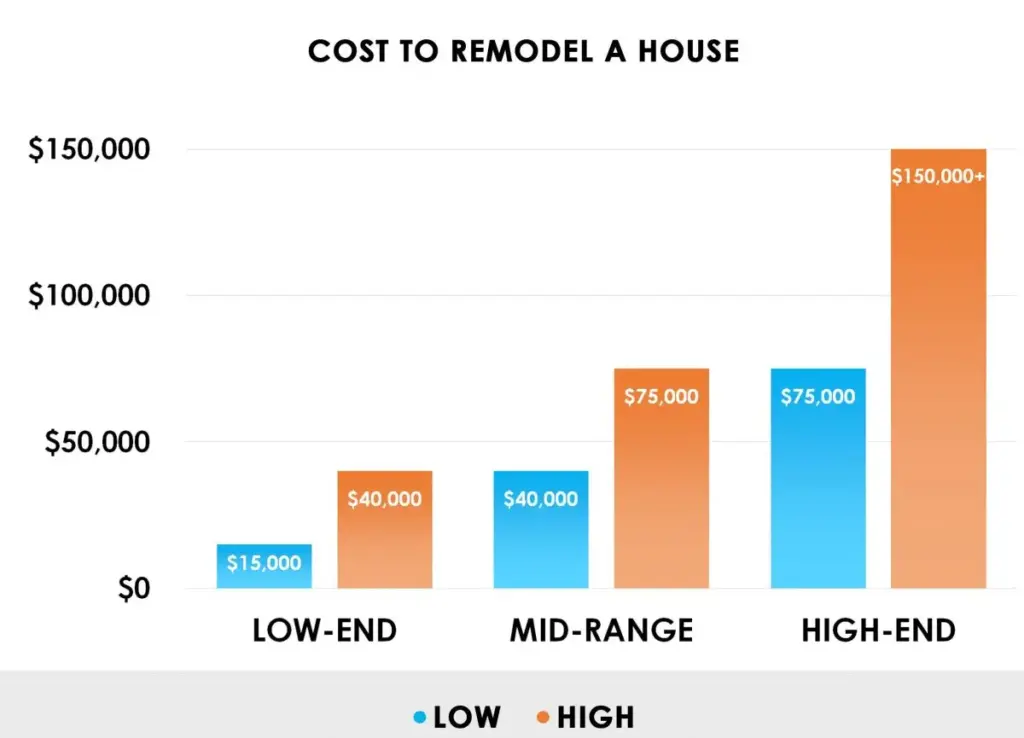
In East Asian construction, the pyeong remains the standard unit for measuring floor area. Translating that figure into a per‑pyeong cost allows developers, architects, and homeowners to compare bids on a like‑for‑like basis, especially when dealing with high‑rise facades where square‑meter pricing can be misleading. Moreover, 2026 brings stricter energy‑efficiency standards and fire‑resistance requirements, both of which directly impact the per‑pyeong price of an exterior wall system.
Core Cost Components in 2026
The overall expense can be split into three primary categories:
Table of Contents
- Why Cost per Pyeong Matters in Modern Remodeling
- Core Cost Components in 2026
- Material Choices and Their Impact on Per‑Pyeong Pricing
- 1. Aluminum Cladding
- 2. Composite Siding
- 3. Waterproof Exterior Wall Panels
- 4. Metal Cladding Systems (Hong Kong)
- Labor Costs: The Hidden Variable
- Regulatory Compliance and Its Cost Implications
- Step‑by‑Step Budgeting Method for Exterior Wall Replacement
- Step 1: Determine the Total Surface Area in Pyeong
- Step 2: Choose Your Material Tier
- Step 3: Add Labor and Installation Mark‑up
- Step 4: Factor in Compliance Fees
- Step 5: Contingency Reserve
- Real‑World Case Study: A 2026 Office Tower Renovation
- Common Pitfalls and How to Avoid Them
- FAQ – Quick Answers for Busy Professionals
- What is the current exchange rate impact on imported panels?
- Can I combine different materials on the same façade?
- How does the “pyeong” measurement affect insurance premiums?
- Is there a sustainable alternative that doesn’t increase cost?
- Future Outlook: What to Expect Beyond 2026
- Conclusion: Turning Numbers Into Confidence
- Material costs – includes cladding panels, insulation, waterproof membranes, and fasteners.
- Labor and installation – skilled crew wages, scaffolding, and site logistics.
- Compliance and finishing – fire‑rating tests, permits, surface treatment, and final detailing.
Each component fluctuates according to market trends. For example, the Fire-Resistant Exterior Wall Panel Manufacturer 2026 – Top Picks, Costs & Compliance Guide notes a 12 % price rise in fire‑rated aluminum panels after new safety regulations were introduced last year.
Material Choices and Their Impact on Per‑Pyeong Pricing
1. Aluminum Cladding
Aluminum remains a favorite for high‑rise buildings due to its lightweight nature and corrosion resistance. In Hong Kong, the Aluminum Cladding Exterior Wall Hong Kong Price 2026 – Complete Cost Guide & Buying Tips reports an average cost of $1,100 per pyeong, including surface coating and fastening systems. The material’s reflectivity also contributes to lower cooling loads, which can offset long‑term energy expenses.
2. Composite Siding
Composite panels—often a mix of fiber cement, recycled wood, and polymer—offer superior durability against humidity. The Composite Siding Installation Cost per Square Foot Malaysia 2026 – Detailed Guide & Pricing Breakdown shows a per‑pyeong price of roughly $950, making it a mid‑range option for projects that balance cost and performance.
3. Waterproof Exterior Wall Panels
Waterproof panels, especially those sourced from Malaysia, have surged in popularity due to the region’s tropical climate. According to the Waterproof Exterior Wall Panel Malaysia Supplier 2026 – Ultimate Guide, the average cost sits at $870 per pyeong, but premium grades with built‑in vapor barriers can climb to $1,200.
4. Metal Cladding Systems (Hong Kong)
Metal cladding, typically steel or zinc alloys, is favored for its structural rigidity. A 2026 market survey by the Hong Kong Construction Association indicates a per‑pyeong cost of $1,300, reflecting higher labor intensity for welding and surface treatment.
Labor Costs: The Hidden Variable
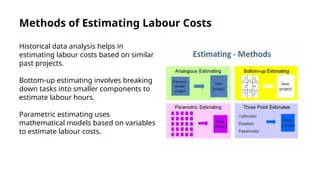
In 2026, the average hourly wage for a skilled façade installer in major Asian markets is $35–$45. However, the total labor bill per pyeong can spike due to:
- Complex geometry (curved or angled façades increase fitting time).
- Safety requirements, such as additional fall‑protection scaffolding for buildings over 20 m.
- Seasonal labor shortages, which have driven up wages by 8 % compared with 2025.
When budgeting, allocate at least 30 % of the total per‑pyeong cost to labor and site logistics.
Regulatory Compliance and Its Cost Implications
Both Hong Kong and Malaysia have updated building codes in 2026 that mandate a minimum fire‑rating of 1‑hour for exterior panels on residential towers. The Top Building Facade Renovation Contractor in Hong Kong 2026 – Expert Guide notes that complying with these standards can add $150–$250 per pyeong for fire‑proof membranes and testing.
Additionally, energy‑efficiency measures now require a thermal transmittance (U‑value) of ≤0.30 W/m²·K for new façades. Insulation upgrades to meet this benchmark can increase material costs by up to 10 %.
Step‑by‑Step Budgeting Method for Exterior Wall Replacement
Step 1: Determine the Total Surface Area in Pyeong
Measure the façade height and width, then convert square meters to pyeong (1 pyeong ≈ 3.3058 m²). For example, a 150 m² façade equals 45.4 pyeong.
Step 2: Choose Your Material Tier
Assign a base per‑pyeong price based on the selected material:
- Aluminum cladding – $1,100
- Composite siding – $950
- Waterproof panels – $870
- Metal cladding – $1,300
Step 3: Add Labor and Installation Mark‑up
Multiply the base material cost by 1.30 to cover labor, scaffolding, and site overhead.
Step 4: Factor in Compliance Fees
Include $200 per pyeong for fire‑rating and $120 per pyeong for energy‑efficiency insulation.
Step 5: Contingency Reserve
Set aside 10 % of the subtotal for unexpected issues such as hidden water damage or material price swings.
Real‑World Case Study: A 2026 Office Tower Renovation
In March 2026, a 20‑story office tower in central Hong Kong replaced its façade with high‑performance aluminum cladding. The project covered 60 pyeong. Using the budgeting method above:
- Material cost: 60 pyeong × $1,100 = $66,000
- Labor markup (30 %): $66,000 × 0.30 = $19,800
- Compliance fees: (200 + 120) × 60 = $19,200
- Subtotal: $66,000 + $19,800 + $19,200 = $105,000
- Contingency (10 %): $10,500
- Total project cost ≈ $115,500
The final per‑pyeong expense landed at $1,925, aligning with the market average for premium aluminium solutions. The building reported a 12 % reduction in cooling energy consumption within the first year, validating the higher upfront investment.
Common Pitfalls and How to Avoid Them
- Ignoring conversion errors – A miscalculation from square meters to pyeong can inflate the budget by up to 15 %.
- Underestimating labor complexity – Curved façades may require custom brackets, raising both material and labor costs.
- Skipping fire‑rating documentation – Failure to obtain proper certifications can lead to costly retrofits and legal penalties.
- Overlooking moisture barriers – In high‑humidity regions, omitting a waterproof membrane can cause premature panel delamination, resulting in expensive repairs.
FAQ – Quick Answers for Busy Professionals
What is the current exchange rate impact on imported panels?
As of July 2026, the USD/KRW rate is 1,300 KRW, meaning imported aluminum from South Korea incurs an additional 4–5 % tariff, which should be reflected in the material per‑pyeong price.
Can I combine different materials on the same façade?
Yes, hybrid façades (e.g., aluminum lower levels with composite upper levels) are common. However, each material must meet the same fire‑rating and U‑value standards, and transition details may add $50–$80 per pyeong.
How does the “pyeong” measurement affect insurance premiums?
Insurance carriers often use per‑pyeong values to assess risk exposure. Higher‑grade fire‑resistant panels can reduce premiums by 5–7 %.
Is there a sustainable alternative that doesn’t increase cost?
Recycled fiber‑cement panels now meet 2026 fire standards and are priced similarly to traditional composites, offering a greener option without a significant cost penalty.
Future Outlook: What to Expect Beyond 2026
Industry analysts from the International Construction Forum predict a gradual shift toward prefabricated façade modules, which could lower per‑pyeong labor costs by up to 15 % by 2028. Meanwhile, advancements in nano‑coating technology are expected to boost the durability of aluminum cladding, potentially extending replacement cycles from 20 to 30 years.
Conclusion: Turning Numbers Into Confidence
Understanding the exterior wall replacement cost per pyeong remodeling 2026 empowers you to set realistic budgets, select the right materials, and choose compliant contractors. By applying the step‑by‑step budgeting framework, accounting for labor, compliance, and a solid contingency, you can avoid overruns and ensure a façade that meets safety, energy, and aesthetic goals. For a deeper dive into specific cost breakdowns, explore our Building Exterior Siding Installation Cost 2026 guide, and connect with vetted contractors to bring your renovation vision to life.